
In 2017, I found myself in a highly stressful job. The constant pressure led to burnout—and significant hair loss. My hair started falling out in clumps, leaving me devastated. I’ve always had fine hair, but it was thick and healthy. During this stressful time, I noticed my hair thinning drastically, especially on the upper left side of my scalp. This marked the beginning of a long journey—one where I eventually restored hair loss and brought my hair back to life.
This was the turning point. I quit my job to focus on my physical and mental health. Although I improved my diet and reduced stress, my hair showed no signs of recovery. Here’s how I embarked on a long journey of trial and error to regain my hair’s strength and volume.
The Early Struggles with Hair Loss
I took several initial steps to improve my hair health:
- Healthier Diet: I prioritized a balanced and nutritious eating plan.
- Frequent Trims: I visited my hairdresser every two months, trimming about 1 cm to “refresh” my ends.
- Scalp Massages: I started massaging my scalp to stimulate blood flow.
- Oil Treatments: Overnight coconut or olive oil treatments became part of my routine.
Despite these efforts, my hair remained thin and weak. I even tried biotin supplements for 2 months, but the results were underwhelming. My new hair growth broke off before it could reach a significant length.
The Breakthrough: A New Approach to Hair Recovery
One day, while searching for biotin in a pharmacy, I had a transformative conversation with a pharmacist. I can’t remember the whole conversation, but something struck me when she talked about doubling the initial dose of biotin and taking it consistently for a longer time. This advice inspired me to take a more comprehensive and long-term approach to restoring my hair. I decided to nurture my hair with even more intensive hair care and for as long as it takes to improve the health and state of my hair.
Here’s the plan that finally worked:
1. Biotin Supplements
I committed to a daily dose of biotin, doubling it initially, as recommended by the pharmacist.
2. Hydration and Moisture
I started layering hydration daily by applying a lightweight leave-in conditioner to keep my hair soft and prevent dryness.
On top of that, I gently sealed in moisture with a few drops of oil on the ends—creating a simple but effective barrier against breakage.
Before each wash, I used a deep-conditioning mask or a bond-repair treatment like Olaplex. I usually left it on for at least 30 minutes, and occasionally overnight for a more intensive effect.
3. Gentle Hair Care Routine
I stopped using blow-dryers, heat tools, and anything that pulled or stressed my hair.
During washing, I gently massaged my scalp with my fingertips or a soft brush to boost circulation and support healthy growth.
For detangling, I switched to a flexible brush with soft bristles, which made it easier to glide through wet hair and reduce breakage.
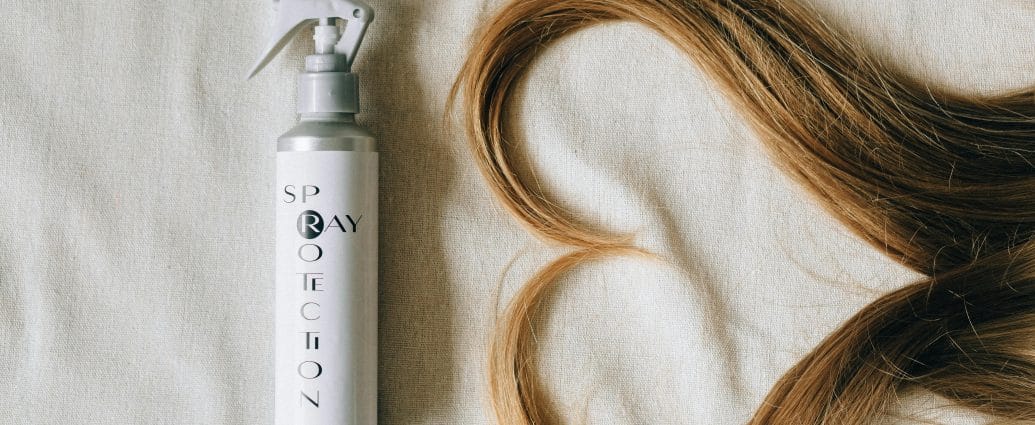
On rare occasions when I did use a blow-dryer, I always applied a heat protectant spray and used the lowest heat setting possible to prevent damage.
4. Adjusted Hair Washing Technique
I alternated between two gentle washing methods to reduce stress on my hair:
Reverse washing – applying conditioner before shampoo to create a protective barrier and prevent over-drying.
Regular washing – shampoo first, followed by conditioner focused on mid-lengths and ends.
I also switched to a sulfate-free shampoo, which was much gentler on my scalp and helped retain moisture in my hair. Sulfates are strong cleansing agents that can strip away natural oils—something fine or damaged hair can’t afford to lose. Using a sulfate-free formula helped reduce dryness and scalp irritation while keeping my hair more balanced between washes.
This simple shift in technique made a noticeable difference—my hair felt softer, stayed hydrated longer, and detangled more easily, reducing breakage with every wash.
5. Natural Hair Dye
I switched to a gentler, long-lasting hair dye free of harsh ingredients like ammonia, parabens, resorcinol, silicones, and PPD.
While the color result was just as effective, this change helped me avoid the added stress that traditional dyes can place on already fragile hair.
6. Strategic Trimming
I now visit my hairdresser every three months for a light trim—usually around 2 cm. These regular trims help keep my ends healthy and remove any damage before it spreads, without compromising the length I’ve worked so hard to grow.
Between salon visits, I became more intentional with how I care for my ends at home—focusing on removing only split or frayed strands, especially in the outer layers. This helped protect the length while still maintaining overall hair health.
I also use a method called Search and Destroy. I sit near natural light, divide my hair into small sections, and slowly scan each strand—snipping off only the visibly split or broken tips. Over time, this simple habit helped reduce breakage and allowed healthier strands to grow without interruption.
Want to see the Search and Destroy method in action? Check out this clear and practical demo: “Natural Split End Treatment | Search & Destroy Method”. The creator walks through sectioning hair, spotting split ends, and trimming them strand-by-strand—simple and effective.
This hands-on approach gave me more control, saved my ends between cuts, and became an empowering part of my self-care routine.
7. Protecting Hair While You Sleep
One of the most underestimated parts of hair recovery is how we treat our hair at night. After switching to gentler washing and styling routines, I also began paying close attention to how I sleep with my hair.
To minimize friction, I now sleep on a silk or satin pillowcase, which helps reduce tangling, dryness, and breakage caused by rough fabrics like cotton.
If you don’t have a silk pillowcase, another great option is to wear a silk bonnet or wrap your hair in a silk or satin scarf. This protects your strands from rubbing against harsh bedding and helps retain moisture overnight.
I usually gather my hair into a loose braid or low ponytail to prevent knotting and friction while I toss and turn. On nights when I apply a leave-in conditioner or light oil to my ends, this extra protection helps lock in moisture and reduce mechanical stress.
These simple habits made a bigger difference than I expected. By reducing friction during sleep, my hair retained more length, stayed smoother, and felt noticeably healthier in the morning.
Progress and Results
Over time, I began to see steady, visible improvements:
New Growth Held Its Length: Baby hairs that once snapped at 2–3 cm now grew past shoulder length, slowly but surely—about 1 cm per month.
Stronger, More Resilient Hair: My hair felt fuller and more elastic, with fewer tangles and noticeably less breakage.
This journey taught me that restoring hair after loss isn’t about finding one miracle product. It’s about being consistent, listening to your hair, and treating it with patience and care.
As we age, it’s normal for hair to become finer—but with the right habits, it’s absolutely possible to grow and maintain stronger, healthier hair in your 40s and beyond.
What Helped Me Most
Here’s a quick overview of the tools, habits, and products that supported my long-term hair recovery:
Sulfate-free shampoo – gentle cleansing without stripping natural oils
Rinse-out conditioner – to soften, smooth, and reduce friction after shampoo
Lightweight leave-in conditioner – daily hydration and protection for dry ends
A few drops of nourishing oil – to seal in moisture and prevent breakage
Deep-conditioning mask or bond-repair treatment (like Olaplex) – used weekly or before washing
Flexible detangling brush – to minimize breakage on wet or damp hair
Heat protectant spray – to reduce damage on occasional blow-dry days
Scalp massage tool or massage with fingertips – to promote circulation during washing
Silk or satin pillowcase – to reduce friction and dryness during sleep
Silk bonnet or satin scarf – as an alternative when a silk pillow isn’t available
Sharp trimming scissors – for occasional home trims using the Search and Destroy method
Biotin supplements – taken consistently to support healthy hair growth from within
These tools and habits worked together over time—not overnight—to help me restore my hair’s strength, length, and resilience.
These tools and habits worked together over time—not overnight—to help me restore my hair’s strength, length, and resilience.
Ready to Start Your Own Hair Recovery?
If you’re going through hair loss or struggling to restore your hair’s strength, know this: you’re not alone—and progress is possible.
You don’t need perfection. You just need patience, consistency, and the willingness to show up for your hair a little bit each day.
I hope this story gave you some useful insights, comfort, or motivation to begin or continue your own recovery journey.
Have questions, or want to share your experience? Leave a comment below—I’d love to hear from you.
📌 Pin this post for later
Restoring your hair takes time—and this guide will be here when you’re ready to begin. Save it now and come back whenever you need motivation, practical tips, or a gentle reminder that progress is possible.