
Analyzing eating habits after 40 is not about judging every meal or forcing yourself into another strict plan. It is about noticing how food, energy, emotions, routines, and stress affect the way you care for your body. Many women over 40 do not suddenly stop caring about food. They stop having enough space to think about it.
Work gets busy.
Family needs continue.
Stress becomes normal.
Shopping is rushed.
Meals become random.
You eat what is available, what is easy, or what gives you quick energy.
Then one day you notice the pattern.
You skip breakfast.
You eat too late.
You snack when you are tired.
You crave sugar after stressful days.
You cook for everyone else but do not properly feed yourself.
You promise yourself you will “eat better” on Monday.
And Monday keeps moving.
Analyzing eating habits after 40 is not about judging yourself or starting another strict diet. It is about understanding what is actually happening with food in your real life. Because your eating habits are rarely only about food. They are connected to your stress, sleep, hormones, emotions, work pressure, home routines, money, energy, and the way you care for yourself.
This article is part of the Health, Fitness, Diet & Style pillar, where we look at how your body, routines, confidence, and daily choices support the woman you are becoming.
Here, we begin with the first step of the AVM Method™: Analyze. Not pressure. Not shame. Clarity. This is why analyzing eating habits matters before you try to change your diet.
Why Analyzing Eating Habits After 40 Matters
After 40, your body, stress levels, sleep, hormones, responsibilities, and emotional patterns can all affect the way you eat. When you analyze your habits gently, you begin to see what supports you and what leaves you tired, hungry, or disconnected from your body. Eating habits affect much more than weight.
They influence:
- energy
- mood
- digestion
- sleep
- cravings
- focus
- patience
- inflammation
- strength
- confidence
- self-trust
After 40, many women notice that their bodies respond differently.
Skipping meals may affect you faster.
Poor sleep may increase cravings.
Stress may show up in digestion.
Late eating may disturb your rest.
Too little protein, fibre, or hydration may leave you feeling unstable during the day.
This does not mean your body is failing. It means your body is giving clearer feedback. The World Health Organization explains that a healthy diet supports protection against malnutrition and noncommunicable diseases, while many modern eating patterns now include more processed foods high in salt, unhealthy fats, and free sugars, and too little fruit, vegetables, and fibre. But this article is not about turning that into fear. Fear does not create better habits. Awareness does. You do not need to become perfect with food. You need to understand your current rhythm.
What Are Eating Habits?
Eating habits are the repeated patterns around how you choose, prepare, and eat food. They include what you eat.
But they also include:
- when you eat
- why you eat
- how fast you eat
- what you skip
- what you crave
- what you prepare
- what you avoid
- what happens when you are tired
- what happens when you are stressed
- what happens when your day has no structure
This matters because many women try to change food without understanding the pattern behind it.
They say:
“I need more discipline.”
“I need to stop eating sweets.”
“I need a diet.”
“I need to lose weight.”
“I need to get myself together.”
Maybe.
But maybe the real problem is different.
Maybe you do not eat enough during the day and then overeat at night.
Maybe your workday is too stressful, and food becomes your first moment of comfort.
Maybe your kitchen is not set up for easy meals.
Maybe you are tired of cooking for everyone else.
Maybe you are using snacks to regulate emotions you have no space to process.
This is why we analyze first. You cannot change a pattern you do not clearly see.
The First Rule: Do Not Start With Shame
Most women already know what shame sounds like.
It says:
“You should know better.”
“You have no discipline.”
“You always fail.”
“You looked better before.”
“You are too old to change.”
“You have let yourself go.”
That voice may feel familiar. But it is not useful. Shame may push you into a short burst of effort, but it rarely creates a stable routine.
A woman who feels ashamed often makes extreme plans.
She cuts too much.
She restricts too hard.
She promises too much.
She tries to control everything.
Then real life returns, and the plan collapses. That is not failure. That is a plan built on pressure instead of reality. Analyzing eating habits means you stop attacking yourself and start collecting information. You become honest. Not cruel.
Analyze Your Current Eating Pattern
Start with one normal week. Not your ideal week. Your real week. For seven days, notice what is happening with food. You do not need a complicated app. A notebook, notes app, or printed worksheet is enough.
Track these basics:
- What time did I eat?
- What did I eat?
- Was I hungry, tired, stressed, bored, rushed, or emotional?
- Did I skip any meals?
- Did I drink enough water?
- Did I eat enough protein, vegetables, fibre, or real meals?
- Did I snack because I was hungry or because I needed relief?
- How did I feel one hour later?
- What was happening in my day before I ate?
Do not use this as evidence against yourself. Use it as information. You may discover that your eating is not random. It may have a pattern. And once you see the pattern, you can work with it.
Common Eating Patterns After 40
Many women recognize themselves in one or more of these patterns. You may not have all of them. One is enough to show you where to begin.
1. Skipping Meals and Overeating Later
This is one of the most common patterns.
You start the day with coffee.
You tell yourself you are not hungry.
You work through lunch.
You eat something small while standing.
Then evening comes, and your body asks for everything you ignored.
This is not always emotional eating. Sometimes it is biology. Your body was underfed for too many hours.
Ask yourself:
- Do I skip breakfast or lunch often?
- Do I become very hungry in the evening?
- Do I eat more at night because I did not eat enough earlier?
- Do I confuse being “good” during the day with under-eating?
A stable food rhythm often starts earlier in the day. Not when you are already exhausted.
2. Eating for Energy Because You Are Tired
Many women do not crave sugar because they are weak. They crave quick energy because they are depleted. Poor sleep, long workdays, emotional pressure, and too little rest can make food feel like the fastest solution.
Ask yourself:
- When do I crave sugar or snacks most?
- Is it after work?
- Is it when I am mentally tired?
- Is it when I have not slept well?
- Is it when I feel emotionally flat?
This pattern is important because the solution may not be only “eat less sugar.” You may need better meals, more rest, fewer energy leaks, or a more realistic work-life rhythm. Food is not always the real problem. Sometimes it is the messenger.
3. Emotional Eating After Stress
Emotional eating is often misunderstood. It is not always dramatic. Sometimes it looks quiet.
You come home.
You open the fridge.
You eat while standing.
You snack while scrolling.
You feel heavy, but not satisfied.
Food becomes the first thing that does not ask anything from you. That matters.
Ask yourself:
- What emotion usually comes before I eat reactively?
- Stress?
- Anger?
- Loneliness?
- Resentment?
- Boredom?
- Exhaustion?
- Feeling unseen?
- Feeling responsible for everything?
This is not about blaming yourself. It is about noticing what food is helping you avoid, soften, or survive. Once you see that, you can begin to create other forms of regulation too.
A walk.
A pause.
A shower.
A direct conversation.
A boundary.
A real meal.
A quieter evening.
If emotional eating is strongly connected to stress, simple emotional regulation techniques can help you create a pause before food becomes the only relief. Food can comfort you. But it should not be the only comfort you have.
4. Eating Too Late Because the Day Has No Space
Some women eat late because they are not organized. Many eat late because the whole day is overloaded. Dinner becomes delayed because work ran long, errands took over, children needed something, the house needed attention, or you were simply too tired to cook earlier. Then food becomes rushed.
Ask yourself:
- What usually delays my evening meal?
- Is dinner too complicated for my real life?
- Do I need easier meals?
- Do I need batch cooking?
- Do I need backup food?
- Do I need to stop expecting myself to cook perfectly every evening?
This is where practical structure matters. Not every dinner has to be beautiful. It has to support you.
5. Cooking for Others but Not Feeding Yourself Properly
Many women over 40 have spent years feeding other people.
Children.
Partners.
Family.
Guests.
Clients.
Everyone.
But their own meals become leftovers, snacks, coffee, or whatever is available. This creates resentment and neglect.
Ask yourself:
- Do I plan food for others more carefully than for myself?
- Do I eat after everyone else?
- Do I treat my own meals as less important?
- Do I feel guilty making food that supports me?
This is not only about nutrition. It is about self-respect. Your body is not an afterthought.
6. Confusing Healthy Eating With Strict Dieting
Healthy eating does not have to mean punishment.
A supportive eating pattern usually includes:
- enough food
- enough protein
- vegetables and fruit
- whole grains or other satisfying carbohydrates
- healthy fats
- hydration
- flexibility
- meals you can repeat
- food you actually enjoy
The CDC describes healthy eating patterns as those that include vegetables, fruits, protein foods, dairy or alternatives without added sugars, healthy fats, and whole grains, while limiting added sugars, sodium, saturated fats, and trans fats. That does not mean you need to follow a perfect plan. It means your body needs regular support. Not punishment.
The AVM Check-In for Analyzing Eating Habits
Analyzing eating habits through the AVM Method helps you separate real patterns from self-criticism. Use this simple AVM check-in before you make changes.
Analyze: What Is Actually Happening?
Ask yourself:
- What do I usually eat on a normal workday?
- When do I skip meals?
- When do I overeat?
- When do I snack without thinking?
- What emotions affect my food choices?
- What does stress do to my eating?
- What does poor sleep do to my cravings?
- What meals feel easy and supportive?
- What meals feel too complicated?
- Where am I being too harsh with myself?
- Where am I being too passive?
This is your starting point. Not your judgment.
Visualize: What Food Rhythm Would Support Me?
Even though this article focuses on Analyze, you still need a little direction.
Ask yourself:
- How do I want to feel after eating?
- What kind of breakfast would support my morning?
- What kind of lunch would prevent evening overeating?
- What simple dinners would fit my real life?
- What food routine would help me feel steady?
- What would healthy eating look like without punishment?
Do not create a fantasy routine. Create one that could survive your real week.
Modify: What Is One Small Change I Can Repeat?
Choose one change. Not ten.
Examples:
- Eat breakfast before coffee.
- Add protein to lunch.
- Drink one glass of water before snacking.
- Prepare one easy dinner twice a week.
- Keep one healthy backup meal at home.
- Eat lunch sitting down.
- Notice emotional eating without judging it.
- Plan food before the week becomes chaotic.
- Add vegetables to a meal you already eat.
- Stop skipping meals as a form of control.
One repeated habit is more useful than a perfect plan you abandon.
How a Food Diary Helps With Analyzing Eating Habits
A short food diary is one of the simplest tools for analyzing eating habits without guessing. A food diary can help you see patterns. But it should not become another tool for self-criticism. Use it for seven days. Write only what helps you understand your rhythm.
You can use this format:
Time:
Food:
Hunger level:
Emotion:
Energy after eating:
What was happening before I ate?
Example:
Time: 16:30
Food: coffee and biscuits
Hunger level: medium
Emotion: tired, irritated
Energy after eating: quick lift, then tired again
Before eating: stressful meeting, no proper lunch
That entry tells you something. The biscuit is not the whole story. The missing lunch, stress, and tiredness matter too. That is Analyze. You look at the whole pattern.
What to Notice First
When analyzing eating habits, do not start with calories. Start with patterns.
Look for these:
Meal Timing
Ask:
- Do I eat regularly?
- Do I go too long without food?
- Do I eat most of my food late in the day?
- Do I skip meals when I am busy?
Meal timing affects energy and cravings. If your day has no rhythm, your food often loses rhythm too.
Hunger and Fullness
Ask:
- Do I notice hunger early?
- Do I wait until I am starving?
- Do I stop when I am satisfied?
- Do I eat past fullness because I am tired or emotional?
This is not about perfect control. It is about rebuilding contact with your body.
Emotional Triggers
Ask:
- What do I eat when I am stressed?
- What do I eat when I feel lonely?
- What do I eat when I feel resentful?
- What do I eat when I feel exhausted?
- What do I eat when I feel like I deserve something?
Food often tells the truth about emotions you have not had time to process.
Energy Dips
Ask:
- When does my energy drop?
- What did I eat before that?
- Did I sleep enough?
- Did I drink water?
- Did I eat enough real food?
- Was I under stress?
Energy is not only about food. But food is part of the pattern.
Food Environment
Ask:
- What food is easy to reach at home?
- What food do I buy when I am stressed?
- Is my kitchen helping me or working against me?
- Do I have simple ingredients for quick meals?
- Do I have backup meals for difficult days?
Your environment matters. If the easiest option is always random, your habits will stay random.
The Link Between Stress and Eating Habits
Stress changes eating.
Some women lose appetite.
Some eat more.
Some crave sugar, bread, salty snacks, or comfort food.
Some eat very little during the day and then feel out of control in the evening.
This is why eating habits cannot be separated from your life structure. If your work is draining, your relationships are tense, your sleep is poor, and your home routines are chaotic, food will often show the pressure. The CDC notes that healthy eating, physical activity, sleep, and stress reduction all matter for health and weight management as people age.
So if you are analyzing eating habits, also ask:
- What is my stress level?
- What part of my life drains me most?
- Do I have enough recovery?
- Do I use food as my main pause?
- What would reduce pressure before food becomes the only relief?
This is where the AVM Method matters. You do not isolate the habit. You look at the system. If low energy and stress also affect your body, the next step may be choosing a movement routine that fits your real life instead of forcing yourself into exercise plans that add more pressure.
Questions That Reveal the Real Pattern
Use these questions slowly. Do not rush them.
Daily Food Rhythm
- What do I usually eat before noon?
- What happens to my eating when I work too much?
- What meal is most inconsistent?
- What part of the day feels hardest with food?
- What food habit keeps repeating even when I promise to change?
Emotional Eating
- What emotion most often leads me to eat when I am not physically hungry?
- What do I avoid feeling by eating?
- What do I need in that moment besides food?
- What would help me pause before reacting?
- What boundary, rest, or support am I missing?
Self-Care and Food
- Do I treat feeding myself as basic care?
- Do I eat properly when I am alone?
- Do I prepare food only when others need it?
- What simple meal would make me feel supported?
- Where have I made food harder than it needs to be?
If your eating habits fall apart because basic care always comes last, a simple self-care routine at home can help you rebuild daily support without turning self-care into another overwhelming project.
Body Signals
- How does my digestion feel?
- How is my energy after meals?
- Do certain foods make me feel heavy, tired, or uncomfortable?
- Do I ignore discomfort because I am used to it?
- Is there anything I should discuss with a medical professional?
Self-awareness is useful. But it is not a replacement for medical care. If you have persistent digestive problems, unexplained weight changes, intense fatigue, pain, dizziness, or other ongoing symptoms, talk to a qualified healthcare professional. That is not overreacting. That is responsibility.
Common Mistakes When Analyzing Eating Habits
When women finally decide to change, they often go too hard. They try to fix everything at once. Avoid these mistakes.
Do Not Start With a Strict Diet
A strict plan may feel powerful for a few days. But if it does not fit your life, it will not last. Start with rhythm before restriction.
Do Not Remove Everything You Enjoy
Food is not only fuel. It is culture, comfort, pleasure, family, memory, and enjoyment. The goal is not to make your life smaller. The goal is to make your eating more supportive.
Do Not Copy Someone Else’s Routine
Your body, schedule, budget, energy, and responsibilities are your own. A plan that works for a 25-year-old fitness influencer may not work for a woman managing work, stress, family, hormones, and real-life fatigue after 40. You need a routine that respects your life.
Do Not Turn Analysis Into Obsession
Analyze to understand. Not to control every bite.
If tracking food makes you anxious, keep it simple or focus only on patterns:
- meal timing
- mood
- energy
- stress
- hunger
- fullness
Clarity should calm you. Not make you more tense.
A Simple 7-Day Plan for Analyzing Eating Habits
For the next seven days, choose one small observation task. You can use this simple structure.
Day 1: Notice Meal Timing
Write down when you eat. Look for long gaps.
Day 2: Notice Energy
Write down when your energy drops. Look at what happened before.
Day 3: Notice Stress Eating
Notice when stress changes what or how you eat. No judgment.
Day 4: Notice Hydration
Check how much water you drink before coffee, snacks, or evening cravings.
Day 5: Notice Protein and Fibre
Look at whether your meals include enough satisfying food. The WHO highlights vegetables, fruit, legumes, nuts, whole grains, and lower intake of salt, free sugars, saturated fats, and trans fats as part of healthy dietary patterns. You do not need to calculate everything. Just notice whether your meals support you.
Day 6: Notice Evening Eating
Ask:
- Did I eat enough earlier?
- Was I physically hungry?
- Was I tired?
- Was I trying to relax?
- Was I avoiding something?
Day 7: Review the Pattern
Ask:
- What repeated most often?
- What surprised me?
- What is one small change that would help most?
- What habit feels realistic this week?
This is enough. You do not need a perfect analysis. You need a starting point.
Small First Changes That Make Eating Easier
Once you see your pattern, choose one simple step. Here are practical examples.
If You Skip Breakfast
Try one reliable option:
- Greek yogurt with fruit
- eggs and toast
- oatmeal with nuts
- cottage cheese and fruit
- smoothie with protein
- leftovers from dinner
Do not make breakfast complicated. Make it repeatable.
If You Overeat at Night
Look earlier in the day.
Ask:
- Did I eat enough lunch?
- Did I drink enough water?
- Did I have a proper meal or only snacks?
- Was I exhausted?
- Was I emotionally overloaded?
Evening overeating often begins long before evening.
If You Eat Emotionally
Add a pause before eating.
Ask:
- Am I hungry?
- Am I tired?
- Am I angry?
- Am I lonely?
- Am I overstimulated?
- What do I need right now?
You can still eat. But now you are no longer unconscious. That matters.
If You Have No Meal Structure
Create one anchor meal. Not a full meal plan. One anchor.
Example:
- a reliable breakfast
- a simple lunch
- a backup dinner
- soup in the freezer
- buckwheat meal
- salad with protein
- eggs and vegetables
- beans or chickpeas ready to use
One anchor meal reduces chaos.
If You Feel Overwhelmed by Cooking
Simplify.
Use meals that are:
- easy
- affordable
- repeatable
- nourishing
- realistic for your week
Healthy eating does not need to be impressive. It needs to support you.
How Analyzing Eating Habits Supports Your Health After 40
This article is the Analyze step. It helps you understand your current food rhythm before you try to change everything.
From here, the Health, Fitness, Diet & Style pillar can continue naturally:
- The cornerstone gives the full pillar overview.
- This article helps you analyze eating habits.
- The lifestyle vision article will help you define how you want to feel.
- The self-care article will help you build repeatable routines.
- The fitness article will help you choose movement that fits your real life.
- The style article will help you reconnect with your visible identity and confidence.
This is how change becomes structured. Not random. Not reactive.
Final Thoughts: Keep Analyzing Eating Habits Gently
Analyzing eating habits after 40 is not about finding everything you are doing wrong. It is about finally seeing what your body and routine have been trying to tell you. Maybe you do not need a stricter diet.
Maybe you need breakfast.
Maybe you need rest.
Maybe you need easier meals.
Maybe you need to stop skipping lunch.
Maybe you need less pressure in the evening.
Maybe you need to stop treating your own food as less important than everyone else’s.
Start there. Look at the pattern. Then choose one small change that supports the woman you are becoming. Not everything. One honest step.
FAQ: Analyzing Eating Habits
Start by observing your normal eating pattern for seven days. Track when you eat, what you eat, how hungry you are, what emotion is present, and how your energy feels afterward. Do not judge the pattern. Use it as information.
Common patterns include skipping meals, eating too late, relying on sugar for quick energy, emotional eating after stress, not drinking enough water, eating too little protein or fibre, and cooking for others while neglecting your own meals.
Begin with structure, not restriction. Eat more regularly, prepare one reliable meal, drink more water, add protein or vegetables to meals you already eat, and notice emotional triggers before changing everything.
Stress can affect appetite, cravings, energy, and self-control. For many women, food becomes a quick form of comfort or relief when the day feels overloaded. The goal is not to shame yourself, but to understand what need is underneath the eating pattern.
A short food diary can help you see patterns, especially around meal timing, stress, hunger, and energy. Keep it simple and use it for awareness, not punishment. If tracking food makes you anxious, focus only on patterns instead of details.
Choose the habit that gives you the most immediate support. For many women, that means eating earlier in the day, preparing one simple breakfast, drinking more water, or creating one backup meal for stressful days.
Not only. Healthy eating after 40 is also about energy, digestion, strength, mood, focus, sleep, confidence, and self-trust. Weight may be part of the picture, but it should not be the only measure of progress.
Ready to Make Eating Easier?
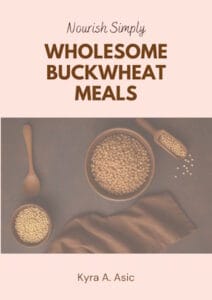
If you notice that food becomes harder when life is busy, simple repeatable meals can help. You do not need complicated recipes to start eating better. You need meals that are realistic, nourishing, and easy enough to return to. Download the free Buckwheat Meals Recipe Collection and use it as one practical starting point for calmer, healthier food routines. Start with one meal. Then repeat what works.