
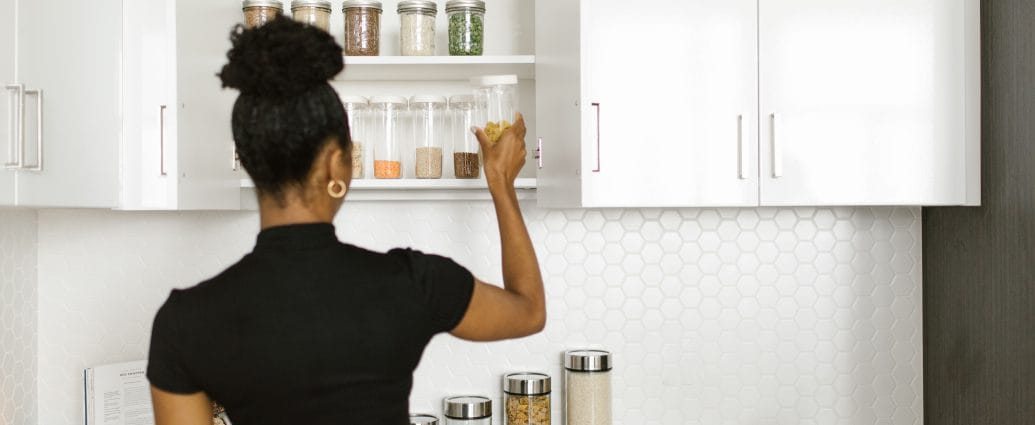
If you are wondering how to organize your home without turning it into one enormous project, organizing one room at a time is one of the most practical places to start. When several spaces need attention at once, it is easy to see clutter everywhere and feel that you need an entire weekend just to make meaningful progress.
A more realistic approach is to organize your home room by room. Instead of trying to improve every space at once, you focus on one room, understand how it is used, decide what that room needs to support, create practical systems, and then move on to the next area. Each completed space reduces daily friction and gives you useful information you can apply elsewhere.
Home organization is not about creating a picture-perfect house. It is about designing spaces that make everyday life easier. A well-organized kitchen supports cooking, a functional bedroom supports rest, and an organized entryway makes leaving and returning home simpler. Every room serves a different purpose, which means every room needs an organization strategy that reflects how it is actually used.
At Change To Be Free, we use the AVM Method to approach home organizing in three stages. Analyze helps you understand how each room functions today. Visualize helps you decide how you want that room to support your life. Modify turns that direction into practical organizing systems, storage decisions, and everyday routines.
This guide will help you organize your house one room at a time, without assuming that every space needs to be transformed immediately. The goal is steady room-by-room organization that creates a functional home and systems that are realistic enough to maintain.
If you want the broader foundation behind this approach, begin with Home Organization and Living Space, the main guide to creating a home that supports your routines, energy, and current stage of life.
Quick Answer
The best way to organize your home is to work on one room at a time. Understand how each room is used, create practical organization systems that match your daily routines, and build simple habits that keep each space functional. Room-by-room organization is easier to maintain than trying to organize an entire home at once.
Why Organizing One Room at a Time Works Better
Trying to organize an entire home in one weekend may sound productive, but for most people it quickly becomes exhausting. Every room has different purposes, storage needs, routines, and problem areas. Moving constantly from one space to another makes it harder to stay focused, complete projects, and see meaningful progress.
Room-by-room organization creates a much more manageable process. You can fully understand how one space functions, make thoughtful decisions about what belongs there, and develop organizing systems that fit the people who actually use the room. Once one room works well, the same principles can be adapted throughout the rest of the home.
This approach also makes progress easier to see. Instead of looking at everything that still needs attention, you can experience the benefits of one room that already functions better. That visible result gives you a practical reference point for the next project.
Every Room Has a Different Purpose
A common organizing mistake is trying to apply the same system everywhere. In reality, every room supports different activities. The kitchen supports food preparation and cooking. Bedrooms support rest and personal routines. Bathrooms need practical storage for frequently used items, while entryways manage the transition between home and the outside world.
Because each room functions differently, each one requires its own organization strategy. The questions you ask in a kitchen are different from those you ask in a bedroom or home office. Home organizing works best when you first understand what the space is meant to support before deciding where things should live.
Smaller Projects Feel More Achievable
Large organization projects require many decisions over a long period of time. After several hours of sorting, moving, cleaning, and choosing where things belong, mental energy naturally declines. This makes it easier to create temporary piles or abandon the project halfway through.
Working on one room at a time reduces that mental load. Instead of thinking about the entire house, you stay focused on the space in front of you. This makes it easier to complete projects, test new systems, and avoid turning several rooms into unfinished work zones at the same time.
Good Organization Supports Everyday Life
An organized home is not measured by how it looks in photographs. It is measured by how easily it supports everyday routines. You should be able to find what you need, complete common tasks without unnecessary effort, and return belongings to their proper place without creating another project.
The goal is not to create perfect rooms that are difficult to use. The goal is to create practical spaces that reduce friction, save time, and support the way the household actually functions.
Step 1: Analyze Each Room Before You Organize
Many people begin organizing by buying storage containers, moving belongings into new places, or searching for organization hacks. These solutions can sometimes help, but they often fail when they address visible clutter without identifying why the same problems keep returning.
The Analyze phase of the AVM Method encourages you to observe before making changes. Instead of immediately rearranging the room, look at how the space actually functions today. Notice which routines work, which areas become clutter hotspots, and where small organizational problems repeatedly create frustration.
Observe How You Actually Use the Room
Every room tells a story about the people who live there. A kitchen may also function as a homework space. A dining table may double as a work area. A bedroom may contain exercise equipment, hobby supplies, or seasonal storage.
These changes often happen naturally over time, but the organization system may not adapt with them. Rather than organizing according to how a room is supposed to function, observe how it is actually being used.
Notice where you naturally place keys, where bags are dropped after work, where paperwork accumulates, and where clean laundry waits before being put away. These patterns tell you much more about the real needs of the room than an idealized floor plan.
Identify Friction Points
Every room contains small moments of unnecessary effort. Perhaps you need to move several objects before preparing food, search multiple drawers for everyday items, or repeatedly pick up belongings from the same chair or table.
These frustrations may appear minor, but when they happen every day they create unnecessary work. As you analyze the room, ask where you lose time, where tasks feel more complicated than they should, and which areas require repeated tidying.
Often, the best place to start organizing is not the largest mess. It is the friction point you encounter most frequently.
Find Systems That No Longer Work
Homes evolve as life changes. Children grow, work routines shift, hobbies change, and household responsibilities move from one person to another. Systems that once worked well may no longer support the way you live now.
Perhaps children’s toys have been replaced by school supplies, a guest room has become a home office, or kitchen cupboards still reflect the way you cooked years ago. Instead of assuming that old systems should remain, evaluate whether they still make sense.
A good organizing system should reflect your present routines, not simply remain in place because it has always been there.
Before moving into the next phase, choose one room you want to improve first. Your goal is not yet to organize it. Your goal is to understand how it currently works and where the greatest opportunities for improvement are.
If you want to explore this stage more deeply, read Analyze Your Home Before You Organize It. It will help you identify recurring clutter patterns, friction points, and systems that no longer support your daily life.
Step 2: Visualize How You Want Each Room to Function
Once you understand how the room works today, the next step is to decide how you want it to support your life in the future. This is the Visualize phase of the AVM Method.
The goal here is not to choose storage boxes, rearrange shelves, or decide exactly where every object will go. Those decisions belong in Modify. Visualize is about defining the direction first so that later organization choices have a clear purpose.
Define How You Want the Room to Function
Ask what the room needs to make easier. A kitchen may need to support faster meal preparation. A bedroom may need to feel calmer and contain fewer unrelated items. An entryway may need to make leaving the house less chaotic.
Think about the daily activities that happen there and what would make those activities smoother. The room does not need to be perfect. It needs to support the life that is actually happening inside it.
Decide What Belongs in Each Room
Many homes become difficult to organize because rooms gradually lose a clear purpose. Items are stored wherever space is available instead of where they logically belong.
Before changing storage, decide which categories genuinely belong in the room. A multi-purpose space can support several activities, but those activities should still make sense together.
This gives you a clearer boundary. When an item has no real connection to the room, it becomes easier to recognize that it needs another home somewhere else.
Prioritize Function Over Appearance
It is easy to visualize a beautiful room while overlooking whether the space will actually be easy to use. A visually perfect organization system can still fail if everyday items are inconvenient to reach or return.
During the Visualize phase, focus on ease, flow, and realistic routines. Ask how the room should feel on an ordinary weekday, not only how you want it to look after a major organizing session.
A functional home is one where the organization system still makes sense when life is busy.
Picture an Easy-to-Maintain Room
Imagine using the room after a long workday or during a busy morning. Can the space still function without extra effort? Can belongings be returned without multiple steps? Can another household member understand where things belong?
This mental test helps you avoid designing systems that only work when you have plenty of time and motivation. Before moving on, picture the room in a realistic daily context. That image will guide the practical decisions you make in the Modify phase.
If you want to explore this step more deeply, continue with Visualize Your Home Before You Organize It. It will help you define how your living space should feel and function before you begin making practical changes.
Step 3: Modify Your Home One Room at a Time
Once you understand what is working and what needs to change, you are ready to put your plan into action. This is where how to organize your home becomes practical: choose one room, improve its systems, test what works, and only then make the next room your main project.
The Modify phase is where you decide what stays, where things belong, how storage should work, and which small habits will help the room remain organized.
Check Capacity Before You Organize
Before deciding where everything should go, look at the amount of storage available. Good organization depends not only on placement but also on capacity.
Storage works best when the amount you own fits comfortably within the space available. If every shelf, drawer, cabinet, or closet is packed completely full, even a thoughtful organizing system becomes difficult to maintain.
You do not need large amounts of empty space, but you do need enough room to see, access, and return belongings without constantly rearranging everything around them.
Kitchen
The kitchen is one of the busiest rooms in most homes. It supports food preparation, cooking, cleaning, eating, and often several other household activities. Because it is used repeatedly throughout the day, small organizing improvements can make a noticeable difference.
Think in terms of activity zones: food preparation, cooking, serving, food storage, and cleaning. Items should live as close as practical to the activity they support. Cooking utensils belong near the stove, preparation tools near the main work surface, and frequently used dishes where they are easy to reach.
Pay attention to workflow rather than only cupboard categories. If preparing a basic meal requires walking across the room several times or moving appliances from the counter before you can begin, the current system may be creating unnecessary friction.
A functional kitchen makes common tasks easier and keeps frequently used items accessible without allowing every surface to become permanent storage.
Bathroom
Bathrooms often contain many small items in relatively little space. Toiletries, cosmetics, medications, towels, backups, and cleaning supplies can quickly fill drawers and cupboards.
Before adding more storage, check for duplicate toiletries, expired products, unused samples, and backups scattered across several locations. Reducing unnecessary items often solves more problems than buying another organizer.
Keep daily-use products easy to reach and group similar items together. Less frequently used supplies and backups can be stored away from the main routine areas.
Clearer counters also make the bathroom easier to maintain because fewer objects need to be moved during basic cleaning.
Bedroom
A bedroom should primarily support rest and personal routines, yet it often becomes a storage area for laundry, paperwork, shopping bags, exercise equipment, or belongings that do not have a clear place elsewhere.
Begin by identifying what genuinely belongs in the room. Make clothing storage easy enough to use every day and pay attention to recurring hotspots, such as chairs that repeatedly collect worn clothes.
A visually calmer bedroom can make the space feel more restful and reduce the sense of unfinished household work at the end of the day.
The goal is not minimalism. It is to create a room where unrelated clutter does not compete with the room’s primary purpose.
Living Room
The living room often serves several functions at once. It may be used for relaxing, reading, watching television, entertaining guests, family activities, hobbies, or occasional work. Because several activities share one space, unclear boundaries can quickly create clutter.
In a multi-purpose living room, define simple zones for the activities that happen there most often. A reading corner, media area, family activity zone, or small hobby area makes it easier to decide where books, blankets, games, chargers, and other everyday items belong.
Keep frequently used items accessible while giving temporary belongings simple places to return. Baskets, drawers, shelves, or cabinets can work well when they correspond to a specific activity rather than becoming general storage for everything.
Pay particular attention to coffee tables, side tables, and other open surfaces. These are natural clutter hotspots because they are convenient places to put things down temporarily. A simple reset system can prevent temporary items from becoming permanent visual clutter.
Closets
Closets often become places where items are hidden rather than organized. Clothing that no longer fits, seasonal items, shoes, accessories, and miscellaneous belongings gradually fill every available shelf.
Closet organization depends heavily on capacity. If a wardrobe is packed so tightly that clothes cannot be moved easily, the system will be difficult to maintain no matter how carefully it is arranged.
Group similar categories together and keep frequently used clothing in the easiest-to-reach locations. Seasonal or occasional items can be stored higher or farther back.
Leave enough space to see what you own and return things without having to rearrange the entire closet.
Entryway
The entryway is a transition zone. It manages everything that enters and leaves the home, including shoes, coats, keys, bags, mail, umbrellas, sports equipment, and other everyday items.
Assign clear homes to the things your household uses most often. Keys should return to the same place, shoes need a practical storage area, and bags should have a consistent location where they can easily be picked up again.
Pay special attention to incoming items. If mail, packages, bags, or paperwork regularly stop in the entryway, decide what should happen to them next rather than allowing the entrance to become a permanent holding area.
A good entryway system reduces the amount of clutter that spreads into the rest of the house.
Home Office
An organized home office supports concentration and makes information easier to find. Whether you work from home full-time or only manage household paperwork there, the space benefits from clear categories and fewer unrelated items.
Keep frequently used work tools accessible and separate active documents from papers that need to be archived. Avoid allowing general household clutter to migrate into the workspace simply because the desk offers an available surface.
Digital organization matters too. Logical computer folders, file names, email categories, and consistent document storage can reduce the same type of frustration created by physical clutter.
A functional workspace should help you begin work without first needing to clear or search for things.
Garage, Basement, and Storage Areas
Garages, basements, and storage rooms work best when they are organized around clear categories and how frequently items are needed. Seasonal decorations, tools, sports equipment, gardening supplies, household reserves, and keepsakes all have different access requirements.
Divide the space into practical zones, such as tools, gardening, sports, seasonal items, household supplies, and sentimental storage. Keep similar categories together and label containers when labels make items easier to locate.
Frequently used items should be closer to the entrance or at an easy-to-reach height. Seasonal and rarely used belongings can occupy less accessible areas because you do not need them during everyday routines.
Storage space is still limited capacity. Review it occasionally so that the room continues serving the rest of the home rather than becoming increasingly difficult to use.
Stabilize One Room Before Moving On
You do not need to make one room perfect before touching another space. However, it is useful to let a new organization system settle before making the next room your main project.
Use the room for several days and notice whether the new setup actually works. Are frequently used items easy to reach? Is anything repeatedly returning to the wrong place? Do other people in the household understand the system?
Make small adjustments while the experience is fresh. Once the room feels easier to maintain, use what you learned there in the next area.
Simple Principles for Room-by-Room Organization
You do not need a different set of rules every time you organize another room. Two principles can guide most decisions throughout the house.
Store Items Where You Use Them
The farther an item is from the activity it supports, the more effort it takes to use and return it. Whenever practical, store belongings close to where they naturally belong in your routine.
Cooking utensils make sense near cooking areas, towels near where they are used, paperwork near the place where it is processed, and everyday bags near the entrance. Frequently used belongings should receive the easiest storage locations, while occasional items can be kept farther away.
Organizing around use rather than arbitrary categories reduces unnecessary movement and makes everyday routines more intuitive.
Make the System Easy to Reset
An organization system that takes too much effort to restore will usually break down during busy periods. Complicated labels, tightly packed storage, and systems that require several steps may look impressive but become frustrating in daily life.
Ask whether someone can return an item quickly without needing to stop and think about where it belongs. Leave enough space for objects to move easily and make common storage locations intuitive for everyone who uses them.
A good system does not prevent every mess. It makes returning the room to order relatively simple after real life has made it messy.
Common Home Organization Mistakes
Even well-intentioned home organizing projects can create new problems when the system does not match how the household actually functions.
Buying Organizers Before Understanding the Problem
Storage products can be useful, but they should support a system rather than replace one. Buying baskets and containers before deciding what belongs in the room often results in better-organized clutter rather than a more functional space.
Understand the room first, reduce unnecessary items where needed, and decide how the space should work. Only then choose storage products that solve a specific problem.
Filling Every Available Space
Empty space is not wasted space. A completely full drawer, cupboard, shelf, or closet has little flexibility and becomes difficult to reset.
Leaving some breathing room makes belongings easier to see, access, and return. It also gives your organizing system space to absorb normal changes without immediately becoming overcrowded.
Creating Systems That Only One Person Understands
If several people use the room, the organization system needs to make sense to more than one person. Complicated categories or highly specific storage rules may work for the person who created them but fail when everyone else needs constant instructions.
Simple, visible, and intuitive systems are easier to maintain. When possible, involve the people who use the space and pay attention to where they naturally place their belongings.
How to Keep Your Home Organized Over Time
Knowing how to organize each room is only the beginning. Daily habits determine whether those systems remain useful after the initial project is finished.
Return frequently used items to their designated places and pay attention when the same clutter hotspot begins appearing again. Recurring mess often signals that the system needs adjustment rather than another major organizing session.
It is also useful to review rooms as your routines change. Children grow, work changes, hobbies develop, and household needs shift. A system that works today may need to be modified later, and that does not mean the original system failed.
When you are ready to turn organization into simple everyday action, continue with From Chaos to Calm: 5 Simple Steps to Organize Your Home. It focuses on practical Modify steps and realistic home systems you can maintain without reorganizing the whole house at once.
Key Takeaways
- Organize one room at a time instead of trying to transform the entire house at once.
- Use the AVM Method to Analyze how the room works now, Visualize how you want it to function, and Modify the systems that need to change.
- Good home organization depends on both placement and capacity; storage that is completely full is difficult to maintain.
- Store frequently used items close to where you use them and make them easy to return.
- Organize around the actual activities that happen in each room rather than an idealized version of the space.
- Give multi-purpose rooms clear activity zones so belongings have logical destinations.
- Test each new system before making the next room your main project.
- Choose simple organizing systems that other household members can understand and maintain.
- Review your home as your routines and priorities change.
FAQ: How to Organize Your Home One Room at a Time
Start with the room or area that creates the most repeated friction in your daily routine. Improving a frequently used space, such as the kitchen, bathroom, entryway, or bedroom, usually creates benefits you notice immediately and gives you useful information you can apply elsewhere.
Usually, yes. Organizing becomes easier when the amount you own fits comfortably within the available space. Remove items you clearly no longer use or need before trying to create storage systems for everything that remains.
If excess belongings are making it difficult to organize, start with your decluttering process first. Once you have reduced what needs to be stored, creating practical homes for the remaining items becomes much easier.
Reduce the size of the project. Choose one room and then one clearly defined area within that room. Focus on improving one system at a time instead of thinking about everything else that still needs attention.
You do not need to finish the entire room in one session. The aim is to create one improvement that makes the space easier to use, then continue from there.
Prioritize capacity, accessibility, and function. Keep what genuinely deserves space, use vertical storage where appropriate, give frequently used items the easiest locations, and avoid filling every available shelf or drawer completely.
Limited storage makes it especially important to decide which possessions deserve the most convenient space. More containers are not always the answer if the amount being stored already exceeds the capacity of the room.
Create simple systems that fit your daily routines and make belongings easy to return. Pay attention to recurring clutter hotspots and adjust systems that repeatedly stop working.
Home organization is easier to maintain when resetting a room takes relatively little effort. The goal is not to keep every room permanently perfect but to make returning to order manageable.
For many people, yes. Room-by-room organization makes the process easier to manage because you can focus on one set of routines, activities, and storage needs at a time.
It also allows you to test what works before applying similar principles elsewhere. Each room becomes a small experiment that teaches you more about what your home needs.
Continue Your Home Organization Journey
Learning how to organize your home one room at a time gives you a practical framework that can be reused as your needs change. Once each room has a clear purpose, realistic capacity, and simple organizing systems, the entire home becomes easier to manage.
For the broader framework, return to Home Organization and Living Space. If you want to work through the AVM process in more depth, continue with Analyze Your Home Before You Organize It and Visualize Your Home Before You Organize It.
When you are ready for practical action, From Chaos to Calm: 5 Simple Steps to Organize Your Home will help you turn those insights into simple changes you can maintain.
Start with the room that creates the most unnecessary friction in your daily life. Improve that space first, let the new system settle, and then use what you learned there when you organize the next room.