
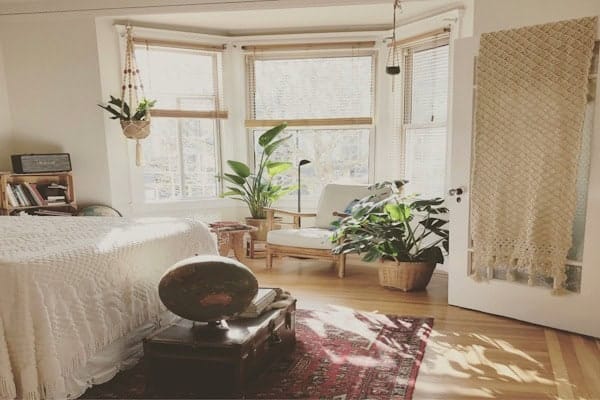
Before you start moving furniture, buying storage boxes, or trying to make your home look better, take a moment to visualize your home. Not as a perfect home. Not as a home that looks impressive online. Not as a space that exists to please everyone else. Visualize your home as a living space that supports your well-being, your routines, your energy, and the woman you are becoming.
For many women after 40, home can become complicated. It may hold years of family responsibility, old routines, unfinished tasks, emotional memories, clutter, and the quiet pressure to keep everything under control. You may look around and realize that your home works in some ways, but it no longer fully supports how you want to feel and live now.
When you visualize your home, you create direction before you move into practical changes. This is the Visualize step of the AVM Method. After you analyze what is not working in your home, you ask a different question: what kind of living space would support my well-being now? A supportive home begins with a clear and honest picture of what you need.
Key Takeaways
- Visualize your home before you start changing it.
- Your home should support your current season of life, not only your past routines.
- A supportive home is based on feeling and function.
- You do not need a perfect home; you need a home that works for your real life.
- Creating space for yourself at home is part of rebuilding your identity after 40.
- The Visualize step helps you create direction before taking practical action.
Why You Need to Visualize Your Home Before You Change It
Many people begin home organization with action. They clean, declutter, rearrange shelves, buy containers, or move things from one room to another. Sometimes this helps for a while, but the home still does not feel right. That often happens because the deeper direction is missing. Before you change your home, you need to understand what you want your home to support. Do you need more calm? More simplicity? More warmth? More privacy? More space for rest? More structure for daily routines? More beauty? More room for hobbies, planning, reading, or simply sitting in silence?
If you do not know what you are creating, you may only move the same pressure into a new place. To visualize your home does not mean imagining an unrealistic dream house. It means creating a clear and practical picture of how your current home could support your real life better. This matters especially after 40 because your needs may have changed. What worked ten years ago may no longer work now. A home that supported one season of life may not support the next one.
Your Home Should Support Your Current Season of Life
A home often reflects a past version of life. It may still be arranged around small children, even when the children are older. It may still hold objects connected to a relationship that ended. It may still carry the survival energy of years when you were just trying to get through the day. It may still be full of things you kept because you once needed them, wanted them, or felt guilty letting them go. There is nothing wrong with this. Homes change slowly because life changes slowly. But at some point, you may need to ask whether your home still fits the woman you are now.
Major transitions can make this mismatch especially visible. If your home still reflects a chapter that has ended, read Home Organization After Life Changes to explore how to adapt your space to the life you are living now.
Your current season of life may need different support. You may need more quiet. You may need easier routines. You may need a bedroom that helps you rest. You may need a kitchen that makes simple meals easier. You may need a living room where you can relax without seeing unfinished tasks everywhere. You may also need one space that belongs to you. Not because you are selfish, but because you are a person living in the home too. When you visualize your home, you are not rejecting your past. You are making room for your present life and your next chapter.
Use AVM to Visualize Your Home
In the AVM Method, Visualize means creating direction before action. After the Analyze step, you may already know what drains your energy. Maybe you noticed that your entryway creates stress, your bedroom does not support rest, or your living room no longer feels like a place where you can breathe.
The Visualize step asks:
- What do I want instead?
This question is simple, but it changes the way you approach your home. You are no longer only reacting to clutter, pressure, or frustration. You are deciding what kind of living space would support your well-being, your routines, and your daily emotional balance. When you visualize your home, think in two directions: feeling and function.
- How should the room feel?
- What should the room help you do?
- What should become easier there?
- What no longer belongs there?
This keeps your vision grounded. You are not creating fantasy. You are creating direction.
Visualize How You Want to Feel at Home
Start with feeling. When you come home, what do you want your body to feel? Maybe you want to feel calm instead of tense. Maybe you want to feel welcomed instead of overwhelmed. Maybe you want to feel safe, grounded, lighter, warmer, or more in control. This does not mean every part of your home will always feel peaceful. Real life is not like that. But your home should have some spaces where your nervous system can soften.
Ask yourself:
- How do I want to feel when I open the door?
- Which room should help me rest?
- Which room should help me feel more organized?
- Which space should feel warm and welcoming?
- Where do I need more quiet?
- Where do I need more life and creativity?
These answers help you understand the emotional direction of your home.
Visualize How Your Home Should Function
A home is not only about feeling. It also has to work. A beautiful room that does not support your routines will not feel supportive for long. A calm-looking kitchen that makes cooking difficult will still create stress. A bedroom that looks nice but stores laundry, paperwork, and unfinished tasks may still not help you rest. So ask yourself how each important space should function.
Your entryway may need to support leaving and returning without stress. Your kitchen may need to support simple meals. Your bedroom may need to support sleep. Your living room may need to support rest, conversation, reading, hobbies, or quiet evenings. You do not need every room to do everything. In fact, part of creating a supportive home is deciding what each space is mainly for. When a room has a clearer purpose, it becomes easier to decide what belongs there and what does not.
Visualize Space for the Woman You Are Becoming
This is the part many women forget. They organize the family’s things, the kitchen things, the laundry things, the work things, the children’s things, and the practical things. But they do not create space for themselves. After 40, this matters. You may be entering a season where you need to reconnect with yourself. Maybe you want to read again. Write again. Exercise gently. Journal. Pray. Plan. Paint. Learn. Rest. Sit quietly with coffee before the day begins.
Your home should have some visible evidence that your life matters too. This does not need to be a whole room. It may be one chair, one shelf, one small table, one drawer, one corner, or one basket with the things that support your inner life.
Ask yourself:
- What space in my home reminds me that I am allowed to grow?
This question can feel small, but it is not. A woman who has spent years caring for others may need to physically create space for herself before she emotionally believes she is allowed to take it.
How Your Home Can Support Your Well-Being
Your home affects your well-being because you live inside it every day. It affects what you see when you wake up. It affects how much friction you face during ordinary tasks. It affects how easily you rest, prepare food, get dressed, move through the evening, and recover from stress. Your home does not need to be perfect to support your well-being. It needs to reduce some of the unnecessary pressure that comes from unclear spaces, too many decisions, and routines that do not match your real life.
Research on healing environments also shows that surroundings can affect stress, comfort, and well-being, which is why the feeling of your home matters. A supportive home may give your eyes quieter places to land. It may make everyday tasks easier. It may help you prepare for the next day with less stress. It may create one place where you can sit without feeling that everything around you is asking for more. Well-being at home is not only about candles, cushions, or decoration. It is about whether your home helps your body and mind settle.
What a Calm and Supportive Home Can Look Like
A calm and supportive home does not look the same for every woman. For one woman, calm may mean clear surfaces and neutral colors. For another, calm may mean warm lighting, books, plants, and family photos. For someone else, calm may mean a practical kitchen, a clean bed, and fewer things to manage. Do not copy someone else’s version of peace. Your home has to support your life, not another woman’s image.
A calm and supportive home may include a simple morning area, a restful bedroom, an easier kitchen system, a chair where you can read, a wardrobe that fits your current body, or a living room that does not constantly remind you of unfinished work. It may also include more honest boundaries. Maybe not every item deserves space. Maybe not every memory needs to stay visible. Maybe not every room has to serve everyone else before it serves you. A supportive home is not created by perfection. It is created by honest choices.

What No Longer Belongs in the Home You Are Creating
Visualizing your home also means noticing what does not belong in the next version of your life. This may include objects, but it can also include patterns. Maybe your home no longer needs to carry the pattern of constant rushing. Maybe it no longer needs to support overgiving. Maybe it no longer needs to hold every object connected to every past chapter. Maybe it no longer needs to be organized around guilt. Some things may be easy to release. Others may take time. The Visualize step does not force you to let go immediately. It simply helps you see what does not match the home you are creating.
Ask yourself:
- Does this support the life I want to live now?
If the answer is no, you do not have to act immediately. But you have learned something important.
How to Create a Simple Vision for Each Room
You do not need a complicated home vision board to begin. You can create one simple sentence for each important space in your home.
For example:
- My bedroom supports rest and recovery.
- My kitchen supports simple, nourishing meals.
- My entryway supports calm mornings and easier returns.
- My living room supports connection, reading, and peaceful evenings.
- My bathroom supports simple self-care.
- My wardrobe supports the woman I am now.
These sentences help you make decisions later. If something does not support the room’s purpose, you can question whether it belongs there. This is how visualization becomes practical. It gives you a standard for future choices.
Reflection Questions to Help You Visualize Your Home
Use these questions to create a clearer vision for your home:
- How do I want to feel when I come home?
- What season of life am I in now?
- What does my home need to support in this season?
- Which room needs to feel calmer?
- Which room needs to function better?
- Where do I need more privacy, warmth, beauty, rest, or simplicity?
- What space do I need for myself?
- What no longer belongs in the home I am creating?
- What would make my home feel more like mine?
- What is one sentence that describes the home I want to create?
Let your answers be realistic. A clear vision does not have to be dramatic. It only has to be honest.
What to Do After You Visualize Your Home
After you visualize your home, you are ready to move into the Modify step. This does not mean changing everything at once. It means choosing one small change that matches your vision. If your bedroom should support rest, start by removing one category of items that does not belong there. If your kitchen should support simple meals, clear one area that makes cooking harder. If your living room should support calm evenings, choose one visual stress point and simplify it.
If you have not yet done the Analyze step, start here: Analyze Your Home: How to Analyze Your Space and Create a Supportive Home
If you are ready for practical action, continue here: From Chaos to Calm: 5 Simple Steps to Organize Your Home
For the full Home pillar overview, read: Home Organization and Living Space: How to Create a Home That Supports Your Life
FAQ: How to Visualize Your Home
To visualize your home means to create a clear picture of how you want your living space to feel and function before you start making changes. It is not about imagining a perfect home. It is about understanding what kind of space would support your real life, routines, energy, and emotional well-being.
You should visualize your home before organizing it because action without direction can lead to repeated clutter and frustration. When you know what you want each space to support, it becomes easier to decide what belongs there, what needs to change, and what no longer fits your life.
Start by asking how you want to feel at home and what you need your home to support in this season of life. You may want more calm, simplicity, warmth, privacy, rest, creativity, or structure. Your vision should come from your real needs, not from trends or other people’s homes.
No. Visualizing your home does not mean you need to redecorate or buy new things. Sometimes the most supportive changes are simple: clearing one surface, creating a restful corner, moving items to better places, or removing things that no longer belong in your current life.
A small or temporary home can still support you. You may not be able to change everything, but you can still create small areas that feel calmer, more practical, and more personal. The goal is not to create a perfect space. The goal is to make your current space work better for your real life.
The AVM Method helps you move step by step. First, you Analyze what is not working in your home. Then you Visualize how you want your living space to feel and function. Finally, you Modify one small area at a time so your home slowly becomes more supportive.
Continue With Home Organization After 40
This article is part of the Home Organization and Living Space pillar in the Change To Be Free system.
For the full overview of this pillar, read: Home Organization and Living Space: How to Create a Home That Supports Your Life
If you have not yet analyzed your home, start here: Analyze Your Home: How to Analyze Your Space and Create a Supportive Home
When you are ready for small practical changes, continue here: From Chaos to Calm: 5 Simple Steps to Organize Your Home