

Home organization is more than tidying up—it’s about creating a space that restores your peace and supports your everyday life.
A cluttered home drains your energy. It creates stress, wastes time, and makes daily life feel heavier than it should. If you’re over 40 and feeling overwhelmed by your space, you’re not alone—and you don’t have to live like this.
This guide will walk you through five simple, practical steps to help you reclaim control and bring calm to your home. From closets to countertops, you’ll learn how to create systems that work for your lifestyle and stick with them. Let’s take your home from chaos to calm—one step at a time.
Learn how I reorganized my life after divorce using 5 simple steps for a calmer, more organized life.
Step 1: Assess Your Space for Better Home Organization
Before you can organize your home, you need to understand how you actually use it. Walk through each room slowly and observe how the space feels. Is it calm—or does it feel heavy, cluttered, or chaotic?
Take a notepad or open your phone’s notes app and start writing down what you see. Focus on the areas that frustrate you most: that messy kitchen drawer, the hallway full of shoes, or the closet that barely closes.
Key Questions to Ask Yourself:
Which areas of my home cause me the most stress or frustration?
Are there items I haven’t used in the past 6–12 months?
What areas feel underused or overcrowded?
Where would I feel relief if things were more in order?
This self-assessment is your foundation for creating a realistic home organization plan. Don’t rush it—take one room at a time. You’re not aiming for Pinterest-perfect; you’re aiming for a space that supports your life, your energy, and your peace of mind.
Step 2: Declutter Your Home with Purpose
Decluttering is more than just tidying up—it’s a way of letting go of what no longer serves you. Every item in your home takes up not just space, but also mental energy. And when your space is full of “just in case” items, it leaves less room for peace and clarity.
The goal isn’t to throw everything away—it’s to keep what matters and release what doesn’t.
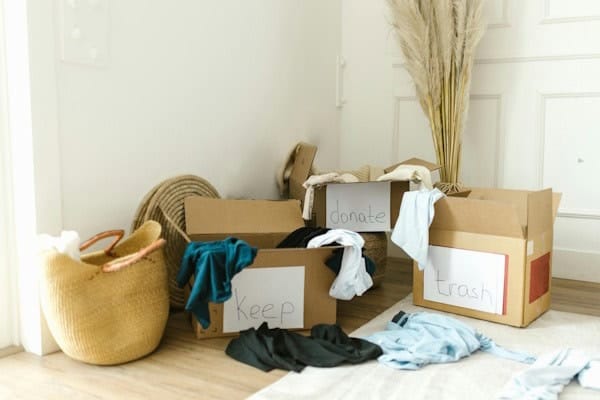
Try the 4-Box Method
Label four boxes or bags with:
Keep – Things you use often or truly love
Donate – Good items that no longer serve you
Trash – Broken or expired items
Relocate – Things that belong in a different room
Work in small areas: a drawer, one shelf, one corner. Set a 15–30 minute timer. You’ll be surprised how much progress you can make in just one focused burst.
Tips for Decluttering When You Feel Overwhelmed
Start with easy wins (old magazines, expired cosmetics, unmatched socks)
Use the “One-Year Rule”: if you haven’t used it in the last year, it’s probably safe to let it go
If you’re unsure, create a “Maybe” box—revisit it in 30 days
Decluttering isn’t just about stuff—it’s about reclaiming space for what truly matters: ease, calm, and intentional living.
I remember standing in front of a closet full of clothes I hadn’t worn in years. Some still had tags on. Others reminded me of who I used to be before divorce and life changes. It wasn’t just about letting go of fabric—it was letting go of expectations, past roles, and identities I no longer needed.
I kept the pieces I truly loved and donated the rest. The moment I closed that half-empty closet, I felt like I could breathe again. That’s when I realized: home organization starts with emotional decluttering too.
Step 3: Create an Easy-to-Maintain Home Organization System That Works for You
Decluttering creates space—now it’s time to give everything a home. Without a clear system, clutter creeps back in. A smart, simple system is the secret to lasting home organization.
But here’s the key: it has to fit your life, your habits, and your space.
Forget perfection or Pinterest-level color coding. Focus on ease of use. If something’s hard to put away, it won’t stay organized.
Organizing Strategies That Stick
Group similar items together – Keep like-with-like (all chargers in one basket, all medicines in one drawer)
Use clear containers – So you can see what’s inside at a glance
Label everything – Especially if you share your space with others
Store items where you use them – Towels in the bathroom, tea next to the kettle, scissors in the drawer where you usually need them
Simple Storage Solutions That Help
Drawer organizers or small baskets (ideal for makeup, tech cables, or office supplies)
Under-bed storage boxes for seasonal clothes or extra bedding
Hooks or racks behind doors for bags, robes, or reusable shopping bags
Vertical shelves for tight spaces (entryways, bathrooms)
Personal Tip
After my divorce, I downsized and had less storage space. I realized I didn’t need a big closet—I needed better systems. One labeled box for “work papers,” one drawer just for chargers, a small tray by the door for keys and sunglasses. It simplified my daily routine and saved me from constant searching.
Step 4: Routines That Support Ongoing Home Organization
Home organization isn’t a one-time event—it’s a rhythm. Routines are what keep your space tidy long after the initial declutter is done.
Without simple daily and weekly habits, clutter slowly creeps back in. But when you build small routines into your day, your home begins to support you instead of exhausting you.
Easy Daily Habits That Support an Organized Home
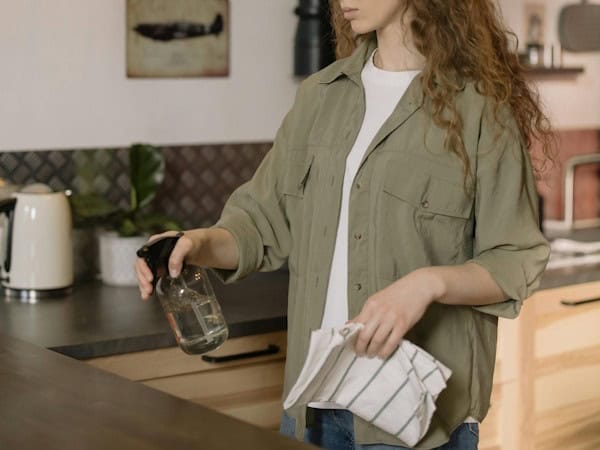
10-Minute Reset: Set a timer each evening. Pick up clothes, wipe counters, and return things to their place.
One In, One Out Rule: When something new comes in (a new top, a gadget), let go of one item.
Tidy As You Go: Clean while you cook, sort mail as you open it, fold laundry straight from the dryer.
Weekly Routines to Reduce Stress
Assign a zone per day: For example, Mondays = bathroom refresh, Fridays = fridge clean-out
Refill essentials: Check supplies like toilet paper, detergent, snacks. Keep a master list on the fridge or in your planner.
Review your systems: Is that “miscellaneous drawer” getting full again? Time to reset it.
Involve Others (Without Nagging)
You don’t have to do it all alone. Delegate small tasks to your kids or partner. For example, everyone tidies their own things during the 10-minute reset. Turn on music and make it a shared ritual.
Routines don’t have to be strict—they just need to be consistent. When they become part of your lifestyle, you’ll notice something powerful: you spend less time cleaning and more time living.
Step 5: Review Your Home Organization System Regularly
Your life isn’t static—and your home organization system shouldn’t be either.
As seasons shift, kids grow, work changes, or your energy fluctuates, it’s natural that what once worked may no longer fit. That’s why regular review is the final (and ongoing) step to staying organized with ease.
Ask Yourself Every Few Months
Is this system still supporting me—or slowing me down?
What areas feel messy again? Why?
Are my routines too complex? Can I simplify them?
Have I added too many things without clearing space?
Set a reminder every 3–4 months to walk through your space with fresh eyes. This isn’t a full restart—it’s a gentle realignment.
A Real-Life Example:
After reorganizing my home post-divorce, I thought I had it all figured out. But three months later, my “paper tray” was overflowing again, and my evening routine felt rushed. I simplified it—removed two steps, added a calming scent in the entryway, and moved the inbox next to my planner.
Small tweaks brought back the peace I was craving. That’s the power of adjusting.
Reviewing doesn’t mean you failed—it means you’re paying attention. And that’s what true home organization is about: creating a living space that grows with you, not against you.
Conclusion: You Deserve a Home That Feels Like Peace
Home organization isn’t about being perfect. It’s about creating a space that supports you—your energy, your routines, your healing. Especially if you’ve been through major life changes, like a divorce, burnout, or simply the exhaustion that comes from doing everything for everyone else… your home should give back to you.
These five steps—assessing your space, decluttering, creating systems, building routines, and reviewing regularly—aren’t just for your closets and cabinets. They’re for your mental clarity. Your confidence. Your calm.
Small steps lead to big change. Start with one drawer, one habit, one room. And remember: you don’t have to do it all at once.
Read how I simplified my life after divorce using these same steps »
Your new beginning can start with something as simple as clearing space.
Your home isn’t just a place to organize—it reflects how you feel and what you need in this season of life.
Explore the 5th Pillar – Organize Home to see how your space influences your well-being, energy, and emotional clarity.
Want to apply this process to more areas of your life—not just your home?
Learn how to create real change using my Analyze – Visualize – Modify method »
✅ Download the Free Worksheet: 5 Steps to a More Organized Home

Ready to bring calm, clarity, and control into your space?
This simple, printable worksheet will guide you step-by-step through the same process I used to transform my home after divorce. Whether you’re starting with one drawer or the whole house, these prompts will help you declutter with purpose, set up easy systems, and create routines that stick.
✨ Use it to:
- Assess what’s really working (and what’s not)
- Let go of what no longer serves you
- Build a peaceful, functional home that fits your current season of life
➡️ Click button to download your free copy and start today.
