
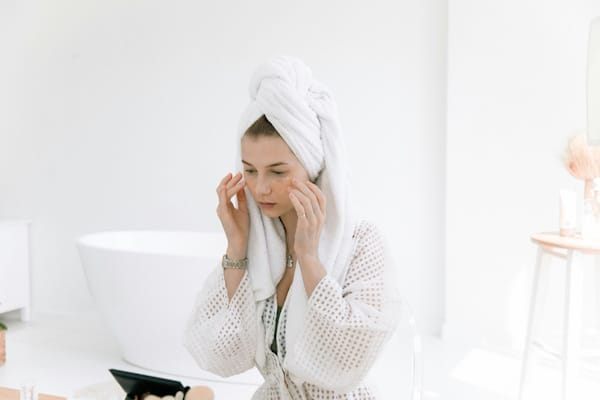
Why Start a Self-Care Routine Now?
You know that feeling when you wake up already tired, your hair’s been in a messy bun for two days, and your diet has consisted mostly of toast and cold coffee? Yeah, me too. That, my friend, is usually your body’s gentle (or not-so-gentle) way of saying: your self care routine needs some serious love.
Now, before you roll your eyes — this isn’t about bubble baths and vision boards (unless you’re into that). Creating a self-care routine at home isn’t about perfection. It’s about finding tiny ways to feel a little more like yourself again — even if that means brushing your teeth before noon or drinking a glass of water instead of a third latte.
If you’re here, you’re probably juggling a busy life full of responsibilities and noise — where schedules are packed, expectations are high, and “me time” feels like a luxury. Maybe your version of unwinding is hiding in the kitchen eating peanut butter off a spoon while pretending you’re looking for something.
I’ve been there. A lot. But here’s the truth: a simple, intentional self care routine can help you shift from surviving to actually living. And the best part? You can start exactly where you are — no yoga retreat required.
Let’s build something together that actually works for real life.
What Exactly Is a Self-Care Routine?
Let’s be real — life’s a lot. There are work deadlines, overflowing laundry baskets, group chats you forgot to reply to, and somehow you’re supposed to stay hydrated through all of it. That’s where a self care routine comes in — not as another task on your to-do list, but as a gentle pause button in your day.
A self-care routine is simply your way of saying: “Hey body, hey mind — I see you, and I’ve got you.”
It’s a collection of small habits and rituals that help you feel more grounded, nourished, and sane. And no, it doesn’t need to be Instagrammable.
For example:
- It’s brushing your hair because it makes you feel human — not because someone’s coming over.
- It’s choosing to make scrambled eggs instead of ordering fries (again).
- It’s stretching for 30 seconds while the kettle boils.
- It’s drinking water before the coffee. (Still working on that one.)
Here’s the thing: your self care routine will never look exactly like someone else’s — and that’s the beauty of it. For some, it’s journaling and quiet mornings. For others, it’s blasting Beyoncé while deep cleaning the kitchen. One day, it might be a 10-step skincare routine. The next, it’s putting your phone on Do Not Disturb and lying in the dark.
There are no rules, no magic number of steps, and definitely no monthly membership required.
The only real requirement?
That it makes you feel more like yourself.

Daily Self-Care Routine Habits for a Healthier Body
A good self care routine isn’t built in one day — it’s built day by day. Think of it like brushing your teeth. You don’t wait for motivation to hit; you just do it. Small habits, repeated often, turn into something powerful: you feeling better in your body.
Let’s keep it simple. These aren’t glamorous. They’re doable. And they work.
Hydration Is Queen
You’ve heard it a million times — because it matters. Start your morning with a big glass of water before anything else. (Yes, even coffee.)
Pro tip: Add lemon or mint and pour it into your favorite glass. If it feels fancy, you’ll actually drink it.
Stretch Before You Scroll
Before reaching for your phone in the morning, reach for the ceiling.
Literally.
Take a slow, deep breath, stretch your arms, and do a little twist. It wakes up your spine and reminds your body it exists.
Eat Something Green
No, not green M&Ms. Think spinach, cucumber, avocado, peas.
Try adding greens to whatever you already eat — toss a handful of spinach in scrambled eggs or blend a small smoothie with frozen kale. It doesn’t have to be gourmet to be good.
Move, Even Just a Little
Ten minutes. That’s it.
Walk around the block, stretch in your living room, dance to one song in your kitchen. Movement doesn’t have to mean sweating through an expensive workout. It’s just about reconnecting with your body.
Write One Good Thing
Before bed, jot down one positive thing that happened. Even if it’s “I finally folded the laundry” or “I remembered to drink water before coffee.”
It rewires your brain to focus on progress, not perfection.
You don’t need a bullet journal or a perfect routine. Just a few non-negotiables that bring you back to yourself.
You’re not lazy. You’re just tired. And tired people need gentle routines, not pressure.

1. Hair Care Self-Care Routine Essentials
Your relationship with your hair is personal. For some, it’s a crown of curls. For others, it’s a messy bun 90% of the time. No judgment — mine too.
A solid hair care routine at home doesn’t need to be expensive, complicated, or TikTok-viral. It just needs to work for you.
How to Keep Hair Healthy and Strong
Let’s debunk the myth: you don’t need a shelf full of salon products to have healthy hair. You just need a few habits that don’t stress you out — or your scalp.
Here’s how I simplified mine:
- Switched to a sulfate-free shampoo: My hair instantly felt softer, and I stopped looking like a frizzball by noon.
- Sunday night hair mask ritual: I light a candle, put on a deep-conditioning mask, and scroll guilt-free. It’s five-star self-care for my ends.
- Wide-tooth comb > brush: Start detangling from the bottom and work your way up. Trust me — it saves tears, hair, and patience.
Hair doesn’t need perfection — just patience and consistency.
Natural vs Commercial Hair Products
I’ve tried everything from DIY coconut oil disasters to high-end salon formulas. Here’s the honest breakdown:
| Type | Pros | Cons |
| Natural | Fewer chemicals, gentler on scalp | Pricier, sometimes less predictable |
| Commercial | Reliable results, more accessible | May contain sulfates or drying alcohols |
There’s no “right” choice — only what your hair responds to. Start simple, pay attention, and go from there.
Tips for Hair Loss Prevention
Let’s talk about the moment you see way too much hair in your brush and panic-Google “why am I going bald at 30?”
Been there.
Hair loss isn’t just about products — it’s about stress, hormones, and nutrition. Here’s what’s helped me:
- Scalp massages with castor oil: Five minutes each night while Netflix asks, “Are you still watching?” Yes. And massaging.
- Heat styling breakups: Straighteners and curling irons are fun until your ends give up. I now limit heat to 1x/week — and avoid tight buns that pull at my scalp.
- Protein on my plate: Your hair’s made of keratin (a protein), so your diet matters. Eggs, beans, and lentils = happy hair.
You don’t need to do it all. Pick one or two new habits and give your hair some grace.
If you’re currently struggling with hair thinning or excessive shedding, know that you’re not alone. I’ve been there — the clogged shower drains, the fear of brushing, the helpless feeling of watching your hair fall out. That’s why I wrote a full article about my journey: How I Restored My Hair After Extreme Hair Loss. In it, I share exactly what worked for me. If you’re ready to take your hair care routine to the next level, it’s a must-read.

2. Facial Skin Care in Your Self-Care Routine
Your face is the first thing the world sees — but more importantly, it’s the first thing you see in the mirror. A good facial skin care routine isn’t about chasing perfection; it’s about feeling comfortable in your own skin. Literally.
Morning and Evening Skincare Basics
You don’t need a 12-step K-beauty routine (unless that brings you joy).
I like to keep it real and realistic — five minutes in the morning, five at night.
Morning Self-care Routine
- Cleanse gently to wash off overnight sweat and oils.
- Tone, if you like — I sometimes skip this.
- Moisturize to prep your skin.
- Sunscreen — non-negotiable, even on cloudy days or if you’re staying indoors. Yes, really.
Evening Self-care Routine
- Double cleanse if you wore makeup or SPF (use oil or micellar water first, then a gentle cleanser).
- Add a serum — I love vitamin C or niacinamide.
- Finish with a hydrating night cream or a facial oil. Let your skin drink it up while you sleep.
Tip: Store eye cream or jade rollers in the fridge for an instant wake-up moment.
Common Skin Types and How to Care for Them
Understanding your skin type is key — otherwise, it’s like trying to follow a recipe without knowing what ingredients you’re working with.
- Oily skin: Go for a foaming cleanser and oil-free moisturizer. Clay masks can help too.
- Dry skin: Creamy cleansers, hyaluronic acid, and rich moisturizers are your besties. Avoid alcohol-based toners.
- Combination skin: Balance is everything. Use a gentle cleanser, lightweight moisturizer, and treat oily areas as needed.
- Sensitive skin: Less is more. Look for fragrance-free products and always patch-test new stuff.
Skin changes with seasons, hormones, and stress — so give it permission to evolve.
Anti-Aging Tips and Natural Remedies
Aging is natural — but healthy, glowing skin at any age is possible. Here are a few habits I swear by:
- Use retinol or bakuchiol (a plant-based alternative) a few nights a week — they help smooth fine lines over time.
- Load up on hydration — inside and out. Water, water-based serums, and moisturizers that seal it in.
- Add natural oils with antioxidants: rosehip oil, vitamin C, green tea extract — they’re like a smoothie for your skin.
- Sleep on a silk pillowcase. It sounds fancy, but it helps prevent creases and breakouts (and feels ridiculously luxurious).
And finally: smile lines are proof you’ve lived, laughed, and probably watched some very good sitcoms. Don’t erase them — just support the skin they live in.

3. Hand and Nail Self-Care Routine
Hands are underrated. They wash dishes, hold coffee cups, answer emails, and comfort the people we love — and yet, we often forget to take care of them.
A little love goes a long way when it comes to keeping hands soft and hydrated and supporting nail health, strength, growth, and hygiene.
Keeping Hands Soft and Hydrated
You don’t need a spa day. You just need a good hand cream and a few reminders.
Here’s how I sneak hand care into my daily life:
- Keep a tube of shea butter hand cream at your desk, in your bag, and beside your bed. The trick is to make it impossible to forget.
- After washing your hands (or using sanitizer for the 100th time), pat them dry gently and follow up with lotion.
- Wear gloves when doing dishes or cleaning. I resisted this one for years. Then my hands started looking like a desert map, and I changed my ways.
Bonus: Add a drop of cuticle oil before bed — it feels fancy, takes 10 seconds, and your hands will thank you in the morning.
Nail Health: Strength, Growth, and Hygiene
Let’s talk nails. Not the Instagram kind — the real, slightly chipped, “I bit one yesterday” kind.
Here’s how I keep mine in decent shape without booking manicures:
- Once a week, I file, shape, and buff my nails while catching up on Netflix or a podcast. It’s my little “me-time” multitask.
- Apply cuticle oil or even a bit of olive oil if that’s all you’ve got. Hydrated cuticles = fewer hangnails.
- Fuel from within: Eating biotin-rich foods (like eggs, nuts, and spinach) helps strengthen nails and prevent breakage over time.
Tip: If you like polish, give your nails a break now and then. They’ll bounce back stronger with a little breather.
Your hands deserve just as much care as your face or hair. And well-groomed nails? A small detail that makes a big impression — especially on you.

4. Body Care and Skin Brushing Self-Care Routine
How Body Care Fits Into a Full Self-Care Routine
When we think of body care, we often stop at lotion. But your skin — the largest organ you’ve got — deserves more than just a quick slather and go. Let’s talk about how to turn body care into a simple but effective ritual.
Benefits of Dry Brushing for Lymphatic Health
Dry brushing sounds strange at first — brushing your dry skin with a stiff-bristled brush before showering? But once you try it, you’ll get it. It’s weirdly satisfying, like scratching an itch you didn’t know you had.
Here’s why I started doing it (and stuck with it):
- It boosts circulation, giving your skin that post-jog glow — without the jog.
- It exfoliates gently, removing dead skin and leaving you smoother than your favorite body scrub.
- It supports lymphatic drainage, which basically means it helps your body get rid of junk — like a detox, but gentler and cheaper than juice cleanses.
How to do it
Start at your feet and use light, upward strokes toward your heart. Always brush before you shower, not after. Focus on dry areas (like thighs, arms, or back), but avoid sensitive spots.
It only takes 3–5 minutes, and honestly, it feels like waking up your skin. Once I got into the habit, it became something I looked forward to. Who knew?
Exfoliation and Moisturizing Self-Care Routine Tips
Let’s be real — body scrubs and lotions are the gateway drugs of self-care. They feel indulgent but take almost no effort.
Here’s my no-fuss routine:
- Exfoliate once or twice a week. Use what you love — a sugar scrub, a salt rub, or even a DIY coffee mix. Just be gentle. You’re not sanding a table.
- Right after showering, while your skin is still slightly damp, apply body lotion or oil. This locks in moisture and makes your skin feel like velvet.
- Don’t skip elbows, knees, or heels. These dry spots age faster and deserve extra love.
Bonus tip: Keep your scrub in the shower so you don’t forget. If it smells like coconut or vanilla? Even better — self-care should be a little sensory treat.
Your body isn’t a project. It’s your home — and it deserves care every day, not just when you’re heading to the beach.

5. Oral Hygiene and Mouth Care
Let’s be honest — oral care isn’t the sexiest part of your self-care routine, but it’s one of the most essential. A clean, healthy mouth does more than give you fresh breath. It boosts confidence, supports your immune system, and keeps your smile looking great (even if you’re just smiling at yourself in the mirror).
Daily Oral Care Habits
If you’re not doing anything fancy yet, no worries. Here’s a simple, effective routine that covers the basics:
- Brush twice a day — two full minutes. An electric toothbrush makes a world of difference.
- Floss daily or use soft dental picks if flossing feels like a chore (guilty).
- Rinse with alcohol-free mouthwash — it helps reduce bacteria without that burning sensation.
Tip: Set a timer or play a short song while brushing. You’ll be surprised how long two minutes actually is.
Natural Remedies for Fresh Breath and Gum Health
Sometimes your mouth needs a little extra support — and no, gum doesn’t count as dental care.
Here are some natural tricks I swear by:
- Oil pulling with coconut oil (swish for 5–10 minutes in the morning, then spit into the trash — never the sink!).
- Chew fresh parsley, mint leaves, or fennel seeds for quick, plant-powered freshness.
- Drink more water. Dry mouth = bad breath and unhappy gums.
If you deal with inflamed gums or sensitivity, rinse with warm salt water or try a soothing chamomile mouth rinse. Your mouth will feel like it just took a deep breath.
Link Between Oral Health and Overall Wellness
You might not think your gums have much to do with your heart or brain — but they do.
Studies have shown strong links between oral health and overall wellness, especially when it comes to inflammation and chronic disease.
Here’s why that matters:
- Bacteria from your mouth can enter your bloodstream and affect other parts of your body.
- Gum disease has been connected to heart issues, cognitive decline, and even complications in pregnancy.
- Taking care of your teeth and gums is a small daily act with big long-term rewards.
So yes, brushing your teeth really is self-care. And no, you don’t need a $300 sonic gadget to do it well — just consistency and a bit of mindfulness.

6. Healthy Eating and Diet Principles
Balanced Nutrition Basics in Your Self-Care Routine
When it comes to creating a sustainable self care routine, nutrition plays a central role. Balanced nutrition isn’t about restricting yourself or chasing perfection—it’s about fueling your body in ways that support long-term energy, mood stability, and overall well-being.
Here’s the 80/20 principle I follow:
- 80% whole foods: vegetables, leafy greens, grains, legumes, lean proteins
- 20% flexibility: treats, your favorite snacks, and joy foods
This approach creates room for real life while prioritizing health.
To follow balanced nutrition basics, aim to:
- Eat a colorful variety of fruits and vegetables
- Include quality protein in every meal (think beans, tofu, eggs, fish)
- Choose healthy fats (like olive oil, nuts, and avocados)
- Stay hydrated throughout the day — water before coffee, always
A well-rounded diet is foundational to a functioning self care routine at home.
Sample Meal Plans for Energy and Vitality
| Meal | Example |
| Breakfast | Overnight oats with chia seeds, banana, and almond butter |
| Lunch | Lentil salad with arugula, roasted carrots, and tahini dressing |
| Dinner | Grilled salmon, sweet potato mash, and sautéed spinach |
| Snack | Greek yogurt with honey and walnuts |
Batch cooking and prepping a few meals on the weekend can help you stay consistent with your self-care goals even during your busiest weeks.
Diet Tips for Women Over 40
If you’re over 40, your body’s nutritional needs start to shift. That doesn’t mean your self care routine has to become complicated — just more intentional. Here are some diet tips for women over 40 that can help:
- Prioritize protein intake to maintain muscle mass and support metabolism
- Include foods rich in calcium and vitamin D to support bone health
- Eat fiber-rich foods like oats, chia seeds, berries, and legumes to aid digestion
- Choose magnesium-rich foods (pumpkin seeds, leafy greens, dark chocolate) for better sleep and hormone balance
- Stay hydrated and minimize added sugars to help regulate energy levels and mood
These small shifts in your daily meals can significantly support a healthier, more resilient body — an essential part of any long-term self care routine.
Whether you’re in your 20s or 50s, nourishing your body is an act of respect and a key element of self-love.

7. Exercise and Physical Movement
If the word “exercise” makes you want to crawl under a blanket and disappear, I get it. We’ve all been burned by unrealistic fitness trends, exhausting routines, or the pressure to “bounce back” or “tone up.”
Let’s ditch that.
Movement isn’t about punishing your body — it’s about reconnecting with it. Feeling stronger, more energized, and more capable in your everyday life. And yes, it can happen at home, in pajamas, without a gym membership.
Daily Movement Goals
You don’t need to follow a strict workout plan. Just move. A little every day. Here’s what counts:
- Stretch first thing in the morning — even just 2 minutes. It’s a body-and-brain wake-up call.
- Walk while on phone calls. Pacing counts as steps (yes, even in your hallway).
- Do 10 squats every bathroom break. Sounds silly, but they add up!
- Set a reminder to get up every hour and shake things out — especially if you sit a lot.
Movement isn’t about calories. It’s about mobility, energy, and mental clarity.
Simple Workouts for Home or Office
No gym? No problem. You can get stronger in your living room with zero equipment. Here are a few of my favorite simple home workouts:
- Bodyweight exercises: push-ups (on your knees is fine), squats, lunges, wall sits, planks
- Resistance bands: small, affordable, and perfect for toning arms, legs, and glutes
- Dance breaks: put on your favorite playlist and move like no one’s watching — because no one is
- YouTube workouts: search “10-minute full body beginner” or “gentle stretch for stiff days”
Start with what feels manageable — even five minutes is progress.
Benefits of Stretching and Strength Training as part of self-care routine
You don’t have to lift heavy weights or do complicated routines to get big benefits.
Stretching and basic strength training are underrated heroes of your self-care routine.
What they do for you:
- Improve posture (goodbye, hunched shoulders)
- Increase flexibility and range of motion
- Reduce risk of injury — especially important as we age
- Boost metabolism and muscle tone
- Help you sleep better and feel calmer
My rule? Move in ways that feel good — not like punishment. Walk, stretch, squat, or dance. It all counts.

8. Building a Sustainable Self-Care Routine for Physical Health
So here’s the thing: it’s easy to start a routine when motivation is high. Maybe you bought a cute new water bottle, saved 12 Pinterest workouts, and prepped salad jars like a health influencer. But what happens on Day 7, when life gets messy again?
That’s where sustainability comes in.
A sustainable self-care routine doesn’t depend on willpower — it relies on systems, grace, and a little planning.
Here’s how to build one that sticks
- Start small. Like, tiny. One new habit at a time — add lemon to your water, do five squats, wash your face before bed.
- Stack habits. Link your new habit to something you already do. For example, stretch while your coffee brews. Moisturize after brushing your teeth.
- Make it visual. Use a habit tracker (or a sticky note) to mark your progress. It’s weirdly satisfying.
- Remove the guilt. Didn’t work out today? Ate cereal for dinner? Cool. Try again tomorrow. Your routine isn’t a moral test — it’s a support system.
- Adjust with life. Busy week? Focus on sleep and hydration. Traveling? Pack a mini skincare kit and walking shoes. Your routine should flex with you.
And remember: it’s not about doing everything perfectly. It’s about showing up consistently, even when it’s not Instagram-worthy.
Conclusion: Start Small, Stay Consistent
How to Stick to Your Self-Care Routine Long-Term
Your self-care routine doesn’t have to be perfect — it just has to be yours. Whether you’re stretching in pajamas or blending a smoothie with one eye open, it counts.
Pick one thing today. Just one. Your future self will thank you.
You’ve got this — one dry brush, one glass of water, one walk at a time. Your self care routine is your personal roadmap to feeling better, not just looking better.
👉 Want a printable checklist or sample meal planner? Leave a comment or share this post with someone who needs a self-care reset.
And remember: skipping leg day is self-care… sometimes. 😉

📌Save these self-care tips to your Pinterest board for when you need them most.