Several years ago, I started noticing tingling in my arm and searching for pinched nerve relief that felt safe, gentle, and realistic. At first, it happened occasionally, but over the next few weeks it became more frequent. Several times a day, I felt that something was not right. After about two weeks of tingling, I went to my doctor. She immediately referred me to a neurologist. At that point, I did not yet fully understand what was happening, but my body was already warning me.
While I was waiting for further evaluation, the tingling slowly turned into pain. Then the pain became stronger. My neck and shoulders started hurting, and very soon I could no longer move flexibly. Instead of turning my neck normally, I started moving with my whole upper body because every movement felt restricted. My doctor put me on sick leave. I also went to a physical therapist right away, and that decision helped me more than I can explain.
She gave me the most practical and important advice: rest. Not force. Not stretch aggressively. Not “push through.” Rest. She showed me how to support my body with pillows under my knees and arm, how to lie down in a way that reduced pressure, and how to get up gently from time to time so movement did not disappear completely. For about three weeks, I mostly lay down. My left arm, shoulders, neck, and even my right shoulder were cramping at the same time. It did not feel like one painful point moving around my body. It felt as if ten different places were cramping at once.
The pain was extreme. I would describe it as worse than childbirth. I could not stand for long. I could not function normally. My body had stopped me completely. Later, tests showed a severe C5–C6 disc herniation and another calcified herniation at C7. A neurosurgeon recommended surgery. I asked to try conservative treatment first. With medical supervision, specialized physiotherapy, manual therapy, rest, and very gradual exercises, my condition improved so much that the neurosurgeon was surprised by the follow-up MRI.
For me, pinched nerve relief did not come from one quick solution. It came from rest, medical guidance, physiotherapy, gentle support, and learning how to stop forcing my body when it was clearly asking for protection. I still have to exercise regularly. If I stop, the pain starts coming back. I also continue physiotherapy because I want to support my spine and avoid surgery if possible.
This article is not medical advice and it is not a promise that everyone can avoid surgery. It is my experience, combined with practical guidance, to help you understand why tingling, nerve pain, and restricted movement should be taken seriously, why rest matters, and why recovery often requires patience, professional support, and daily structure.
This article is based on personal experience and is for educational purposes only. It does not replace medical advice, diagnosis, physiotherapy, or treatment. If you have numbness, weakness, severe pain, or symptoms that continue, please speak with a qualified healthcare professional.
Key Takeaways
- Tingling, numbness, weakness, radiating pain, and restricted movement can be signs that a nerve is irritated or compressed and should not simply be pushed through.
- Pinched nerve relief may require a combination of medical evaluation, rest, physiotherapy, gentle movement, and gradual strengthening.
- Aggressive stretching, massage, or manipulation is not always appropriate when nerve symptoms or a herniated disc are involved.
- Recovery can continue after the worst pain disappears, so regular movement and strengthening may remain important long term.
- Seek professional medical help if symptoms persist, spread, become severe, or include numbness or weakness.
What My Pinched Nerve Relief Experience Taught Me
My biggest lesson was this: when a nerve is involved, the body often gives warning signs before the situation becomes serious. In my case, tingling came first. It started slowly and became more frequent. Then it turned into extreme pain, restricted movement, and intense cramping in several areas at the same time. I was not dealing with ordinary neck tension anymore. I was dealing with pain that stopped my normal life.
In the beginning, I needed rest more than anything else. My physical therapist explained that rest did not mean doing nothing forever. It meant giving the irritated nerve and surrounding muscles a chance to calm down. I still had to get up gently, walk a little, and keep some movement in my body, but I could not treat this like ordinary muscle tension.
The second lesson was that the right professional guidance matters. I needed a doctor, a neurologist, MRI imaging, a neurosurgeon’s opinion, and physiotherapists who understood how careful this situation had to be. The best help I received was not aggressive. It was precise, gentle, and progressive. The third lesson was that recovery does not end when the worst pain disappears. Today, I still need regular exercises for my neck, back, and core. I need to keep my muscles strong enough to support my spine. If I ignore this, my body reminds me.
This is why I see pinched nerve recovery as part of a wider health pillar. Pain affects how you work, sleep, move, think, and feel safe in your own body. If you want to look at this more broadly, you can also read my guide on Health, Fitness, Diet & Style After 40.
What Is a Pinched Nerve?
Before you can heal, it’s important to know what you’re dealing with. A pinched nerve happens when too much pressure is placed on a nerve by the surrounding tissues—like bones, cartilage, muscles, or tendons. This pressure blocks the nerve’s ability to function normally. Mayo Clinic explains that a pinched nerve happens when too much pressure is applied to a nerve by surrounding tissues, which can lead to pain, tingling, numbness, or weakness. The result? Your body sends you clear signals that something is off. Pain is usually the first one, but there are others too.
- Sharp or burning pain that feels worse when you move
- Tingling or a “pins and needles” feeling, especially in the arms or legs
- Numbness or a “dead” sensation in certain areas
- Muscle weakness near the affected area
If these symptoms sound familiar, don’t worry—many people experience them, and there are ways to feel better with time, care, and the right approach.

What Causes a Pinched Nerve?
The causes of a pinched nerve vary, but they often share one thing in common: they’re linked to how we live and move. Knowing what can trigger a pinched nerve can help you avoid future problems.
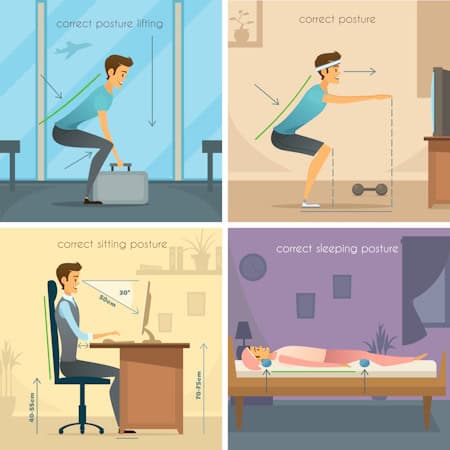
- Poor posture, especially from long hours sitting or looking at your phone
- Repetitive movements in work or sports that strain your muscles
- Injury or trauma, such as a fall or sudden twist
- Arthritis, which can lead to bone changes and inflammation
- Weight gain or obesity, which adds pressure to your spine and joints
These causes often build up quietly over time. That’s why it’s important to treat a pinched nerve not just as a momentary problem but as a wake-up call from your body.
Why a Holistic Approach to Pinched Nerve Relief Matters
It might feel tempting to look for quick fixes like pills or aggressive treatments, but they rarely offer lasting results. A holistic approach to pinched nerve treatment focuses on long-term healing, not just temporary relief. This kind of approach means listening to your body, adjusting your habits, and slowly strengthening the areas that need support. Here’s how:
- Get a clear diagnosis. A healthcare provider can confirm it’s a pinched nerve and not something more serious.
- Start physical therapy. Gentle, guided exercises reduce pressure and build strength.
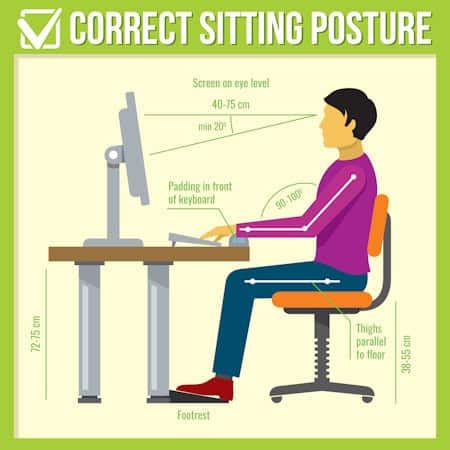
- Change your daily habits. That means improving your posture, adjusting your workspace, and taking more breaks during the day.
- Support your nervous system with stress relief. Practices like meditation, deep breathing, and yoga calm your body and can reduce muscle tension that irritates nerves.
Healing isn’t just physical. Stress and fatigue can make pain worse—so treating your whole self is key.

How I Used the AVM Method in Recovery
Looking back, I can clearly see the AVM Method in my recovery.
Analyze: I had to face the reality of what was happening. This did not begin as ordinary stiffness. It began with repeated tingling in my arm, then developed into extreme pain, restricted movement, weakness, and intense cramping in several areas at the same time. I needed medical examinations, neurological testing, MRI imaging, and professional guidance. I also had to notice what made the symptoms worse and what helped them calm down.
Visualize: I had to stop thinking only about “getting back to normal quickly.” My real goal became different: to reduce pressure, calm my body, regain movement safely, avoid unnecessary damage, and build enough strength to support my spine long-term.
Modify: I changed my daily behavior. I rested when I needed to rest. I used pillows to support my body. I got up gently. I followed physiotherapy instructions. I did not force exercises too early. Later, when I was ready, I added specific exercises for my neck, back, and core. Now I know that movement has to stay part of my life.
This is the difference between panic and structure. Panic wants a quick fix. Structure asks: What is happening? What does my body need now? What small action supports healing today?
Is Massage Safe for a Pinched Nerve?
Manual therapy can help, but only when it is done gently and by someone who understands nerve-related symptoms. In my case, physiotherapy helped because the work was careful, gradual, and adapted to my condition. Aggressive massage, strong manipulation, or forcing painful areas can make symptoms worse. When there is radiating pain, numbness, tingling, weakness, or a confirmed herniated disc, it is important to get proper medical guidance before trying any treatment. A good therapist does not push your body into pain. A good therapist helps your body calm down, regain movement, and rebuild support step by step.
Alternatives to Massage That Can Help
If massage isn’t right for you—or you just want more options—there are other gentle ways to relieve pain and encourage healing.
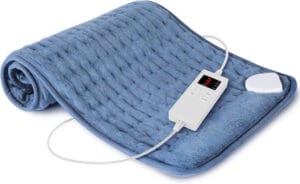
- Heat and cold therapy. Use a heating pad or ice pack to reduce swelling and soothe pain.
- Acupuncture. This traditional practice may help release muscle tension and boost circulation.
- Chiropractic adjustments, but only with someone experienced in treating nerve compression.
- Foam rolling and stretching, but only if guided by a professional or physical therapist.
These tools don’t fix the problem overnight—but combined with rest, they can support your recovery journey.
Everyday Habits That Support Pinched Nerve Relief
When healing from a pinched nerve in shoulder or lower back, what you do every day makes a difference. Think of healing as something you build, step by step.
Here’s what helps most:
- Move more, but gently. Even short walks improve circulation and reduce stiffness.
- Stretch regularly to keep muscles relaxed and mobile.
- Strengthen your core to reduce pressure on your spine.
- Adjust your workspace to reduce strain on your neck and shoulders.
- Sleep well with good posture and a proper pillow.
These small changes are powerful. Over time, they reduce the risk of future flare-ups and help your body feel stronger and more balanced.
When to See a Doctor
Most pinched nerves improve with rest, gentle care, and time. But if the pain continues, spreads, or gets worse, it’s time to seek medical attention.
Go to a professional if you:
- Can’t move part of your body easily
- Have lasting numbness or weakness
- Experience sharp, shooting pain that doesn’t go away
Early help can prevent long-term nerve damage and speed up recovery.
What Helped Me Most
What helped me most was not one single treatment. It was the combination of several careful decisions.
These were the most important:
- I went to my doctor early.
- I accepted sick leave instead of forcing myself to continue.
- I worked with a physical therapist who understood that my body needed rest first.
- I used pillows and body support to reduce pressure.
- I rested for several weeks when my symptoms were strongest.
- I kept gentle movement, but only in a safe and limited way.
- I followed through with neurological testing and MRI imaging.
- I listened to the neurosurgeon, but also asked whether conservative treatment could be tried first.
- I attended specialized physiotherapy.
- I did the exercises I was given.
- I continued strengthening my neck, back, and core after the crisis passed.
The hardest part was accepting that healing was not fast. But the most important part was consistency. If stress, fear, pain, or exhaustion make your symptoms feel even harder to manage, it may also help to support your nervous system and mental well-being. You can read more here: Mental Health Made Simple: Techniques and Exercises. For a wider daily routine around body care, recovery, and gentle self-care, you may also find this helpful: Self-Care Routine at Home After 40.
FAQ: Pinched Nerve Relief
Relieving a pinched nerve starts with taking the symptoms seriously. Rest, gentle movement, and avoiding positions or activities that make the pain worse are usually the first steps.
Heat or cold therapy may help reduce discomfort, depending on what feels better for your body. Some people also benefit from physical therapy, supported resting positions, posture adjustments, and gentle exercises recommended by a professional.
Avoid forcing stretches, deep massage, or strong manipulation if you have radiating pain, numbness, tingling, weakness, or a confirmed herniated disc. With nerve symptoms, the safest approach is usually calm, gradual, and guided.
A pinched nerve can last from a few days to several weeks, depending on the cause, severity, and treatment. Mild symptoms may improve with rest and basic self-care. More serious cases, especially when there is strong pain, tingling, numbness, weakness, or a herniated disc, may take longer and need medical evaluation or physical therapy.
If symptoms continue, spread, or get worse, it is important to speak with a healthcare professional. Early support can prevent the situation from becoming more difficult to manage.
Sitting too much can contribute to nerve irritation, especially when combined with poor posture, weak supporting muscles, long screen time, or an unsuitable workspace. Sitting with rounded shoulders, a forward head position, or pressure on the lower back can increase strain on the spine and surrounding tissues.
Regular breaks, better screen height, supportive sitting, gentle walking, and strengthening your neck, back, and core can help reduce pressure. The goal is not perfect posture all day. The goal is to change positions often enough that your body is not trapped in one strained position for hours.
Heat may help when muscles around the painful area are tight, tense, or cramping. A warm shower, heating pad, or warm compress can relax muscles and improve comfort.
Cold may feel better if the area feels inflamed, irritated, or sharply painful. Some people prefer heat, some prefer cold, and some use both at different stages.
Do not apply heat or cold for too long, and do not sleep with a heating pad on. If heat or cold makes symptoms worse, stop and ask a healthcare professional for guidance.
After the worst symptoms improve, the goal is to prevent future flare-ups and rebuild support around the affected area. This often includes regular exercises for the neck, back, shoulders, and core, depending on where the nerve problem was.
Recovery does not always end when the pain disappears. Many people need ongoing movement, posture awareness, physiotherapy, and lifestyle adjustments to keep symptoms from returning.
The most important question is: what does my body need consistently, not only when I am in crisis?
Diet, stress, and sleep can influence recovery because the body heals better when it is supported, rested, and less overloaded. A balanced diet with enough protein, minerals, and anti-inflammatory foods can support tissue repair and general health.
Stress can increase muscle tension and make pain harder to manage. Poor sleep can also reduce your ability to recover and cope with discomfort. This does not mean stress or diet “caused” the pinched nerve. It means your whole body environment matters during recovery.
Support your body with simple basics: enough rest, regular gentle movement, hydration, nourishing food, and stress regulation practices such as breathing, relaxation, or short walks.
Final Thoughts: Pinched Nerve Relief Requires Patience and Structure
My pinched nerve experience taught me that the body sometimes stops us when we have ignored pressure for too long. I could not solve it with willpower. I could not rush it. I could not stretch my way out of it in one week. I needed rest, medical care, physiotherapy, patience, and a different relationship with my body. Real pinched nerve relief often begins when you stop pushing through pain and start respecting the signals your body is sending. Today, I still have to take care of my spine. I still need regular movement and strengthening exercises. If I stop, my body reminds me. That does not mean I failed. It means this part of my health needs ongoing support.
A pinched nerve is not something to ignore, but it is also not something to respond to with panic. Get proper medical help. Listen to your symptoms. Rest when rest is needed. Move when movement is safe. Build strength gradually. Healing is not always a straight line. Sometimes it is a daily decision to cooperate with your body instead of fighting it. Pinched nerve relief is not about pushing harder, stretching aggressively, or ignoring pain. It is about listening to your body, getting proper support, and modifying daily habits in a way your nervous system can tolerate.