

When you take responsibility and change your life, it does not mean blaming yourself for everything that has happened. It means becoming honest about what is yours to change, what is not yours to carry, and where you still have choice. This is especially important for women over 40, because responsibility can become complicated. You may have spent years taking care of children, partners, parents, work, home, emotions, schedules, and everyone else’s needs. Sometimes personal growth does not begin with taking on more responsibility. It begins with separating true responsibility from guilt, over-functioning, people-pleasing, and carrying what belongs to someone else.
Responsibility is not self-punishment. It is the ability to say: “This is my life. These are my choices now. These are my limits. This is the next step I can take.” This article is part of my wider guide, 11 Rules for Changing Your Life. Rule 11 is about taking responsibility in a grounded way, without blame, shame, or carrying burdens that are not yours. If you want the full life-change framework behind these rules, you can also read How to Change Your Life with the Analyze, Visualize, Modify Method.
Key Takeaways
- Taking responsibility for your life is not the same as blaming yourself for everything that has happened to you.
- You may not be responsible for your circumstances, other people’s behavior, or what happened in the past, but you can take responsibility for what you do next.
- Personal responsibility shifts your attention from what you cannot control to the choices and actions that are available to you now.
- Responsibility gives you more power to change your life because it helps you recognize where you still have influence.
- Start with one area of your life where a small action is within your control.
Use AVM to Take Responsibility Without Blame
Responsibility becomes healthier when you connect it to clarity, not shame.
Use the AVM Method like this:
Analyze: What is actually yours to own? Your choices, habits, reactions, boundaries, money decisions, daily routines, communication, health support, and the next step you choose. Also ask: what is not yours? Other people’s emotions, choices, opinions, healing, behavior, or approval.
Visualize: What would responsible living look like in your real life? Not perfect control. A calmer, more honest version. Maybe it means paying attention to your body, answering one email, setting one boundary, managing money more consciously, asking for help, or no longer rescuing someone from the consequences of their own choices.
Modify: Choose one responsible action that is small and clear. Open the bill. Book the appointment. Say the honest sentence. Stop over-explaining. Prepare one meal. Rest before you collapse. Let someone else carry what belongs to them.
Taking responsibility does not mean carrying everything. It means carrying your part with honesty.
What Responsibility Really Means
In daily life, responsibility means managing personal and professional obligations. It involves completing work tasks, maintaining relationships, and taking care of our health. It’s about being proactive, making informed choices, and understanding that our actions affect not only ourselves but also those around us. Taking responsibility and change your life is essential for personal development.
4 Qualities of Healthy Responsibility

A responsible person exhibits several essential qualities:
- Accountability – They take ownership of their actions and accept the outcomes.
- Reliability – Others can depend on them to fulfill commitments. We must also be reliable for ourselves.
- Self-discipline – They stay focused and make decisions aligned with their goals. Small steps help build self-discipline, which is crucial when you decide to take responsibility and change your life.
- Integrity – They act with honesty and uphold ethical standards, even when no one is watching.
For example, if we commit to stretching for 10 minutes a day, maintaining this habit is a form of personal integrity and responsibility.
Traits and Habits That Build Responsibility

A responsible person develops habits that promote accountability, such as:
- Being organized
- Setting clear goals
- Following through on commitments
- Assessing situations critically
- Balancing personal desires with obligations
By cultivating these traits, we can fulfill our responsibilities without feeling overwhelmed, ultimately leading us to take responsibility and change our life.
What Is Actually Your Responsibility?
Understanding our responsibilities requires self-reflection. Our duties span various aspects of life—family, work, and personal well-being. It’s crucial to distinguish between what we can control and what we cannot. Focusing on our true responsibilities prevents unnecessary stress and improves overall life satisfaction. To truly take responsibility and change your life, clarity in these areas is vital.
What Is Not Your Responsibility?
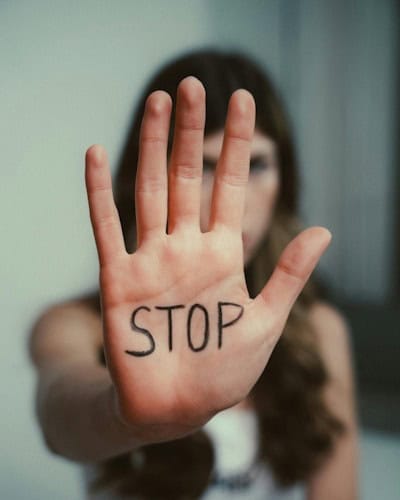
Not everything is within our control, and some things are simply not our responsibility. Setting healthy boundaries helps protect our mental health and ensures we invest energy where it truly matters.
Examples of What You Do Not Need to Carry
- Other people’s emotions – While our actions may influence others, their emotional responses are their responsibility. For example, if we decline a request, the other person’s disappointment is theirs to manage.
- Other people’s decisions – We can offer advice, but their choices remain their responsibility.
- The outcome of our efforts – External factors can influence results. Instead of fixating on outcomes, focus on the effort you put in, which is part of taking responsibility and change your life.
- Meeting others’ expectations – Family, friends, or society may expect certain things from us, but it’s not our responsibility to meet every expectation. For instance, visiting family every Sunday may be an expectation, but it’s not an obligation.
How to Build Responsibility Without Overloading Yourself
Building responsibility starts with small, intentional actions:
- Be accountable for minor tasks before taking on larger commitments.
- Develop self-discipline through daily habits.
- Set realistic goals and follow through.
- Hold yourself to your promises and learn from mistakes.
By practicing responsibility consistently, we gain confidence and control over our lives. This practice is crucial if you wish to take responsibility and change your life.
How Responsibility Supports Personal Growth
Taking responsibility is a game-changer for personal growth and success. When we own our actions, we gain control over our lives. Responsibility builds trust, strengthens relationships, and fosters self-worth. Over time, this leads to new opportunities, personal achievements, and a fulfilling life. Every time you take responsibility and change your life, you lay the groundwork for your future. Verywell Mind explains that focusing on personal accountability, openness, a clear division of responsibilities, and solutions is more helpful than staying stuck in blame.
FAQ: Responsibility – Take responsibility and change your life
It means recognizing what is within your control and taking ownership of your choices, actions, and next steps, even when you cannot control everything that happens around you.
No. Blame focuses on fault. Responsibility focuses on what you can do now. You can acknowledge that something was not your fault while still deciding how you want to respond to it.
It helps you focus your energy on the areas where you have influence instead of waiting for circumstances or other people to change first.
Some circumstances genuinely are outside your control. Responsibility does not mean pretending otherwise. It means identifying whatever choices, responses, or small actions are still available to you.
Choose one situation that is bothering you and ask: “What part of this is within my control?” Then choose one realistic action based on your answer.
Final Thoughts: Take Responsibility and Change Your Life Without Blame
Taking responsibility does not mean blaming yourself for the past. It means recognizing where your power still exists. You may not be responsible for everything that happened to you. You may not be responsible for other people’s choices, moods, healing, reactions, or approval. You may not be responsible for carrying everyone else’s emotional weight. But you are responsible for the next honest step you choose.That is where change begins.
Responsibility gives you your power back because it moves you out of waiting, blaming, rescuing, avoiding, or hoping someone else will change first. Start small. Own one choice. Set one boundary. Take one step that belongs to you. That is enough for today.
Read the full guide here: 11 Rules for Changing Your Life.