

Small steps are not weak steps. They are often the only steps your real life can actually hold. Small steps to change your life are powerful because they lower resistance. Instead of forcing yourself to redesign everything at once, you begin with one realistic action that your mind, body, and daily routine can actually accept.
Small steps to change your life are powerful because they lower resistance. Instead of forcing yourself to redesign everything at once, you begin with one realistic action that your mind, body, and daily routine can actually accept.
When you want to change your life, it is tempting to make a big plan, promise yourself a fresh start, and try to become a completely different person overnight. But for most women over 40, real change has to fit into work, family, tired evenings, emotional responsibilities, health changes, and everything else life already asks of you.
That is why small steps matter. This article is part of my wider guide, 11 Rules for Changing Your Life. Rule 2 is simple: take small steps. If you want the full life-change framework behind these rules, you can also read How to Change Your Life with the Analyze, Visualize, Modify Method.
Key Takeaways
- Small steps reduce resistance and make change easier to fit into your real life.
- Trying to change everything at once can create overwhelm, while one manageable action helps build momentum.
- Repeating a small action consistently can gradually turn it into a lasting habit.
- The best small step is connected to the life you actually want to build, not chosen randomly.
- With AVM, you Analyze what feels stuck, Visualize a slightly better version, and Modify one small behavior you can realistically repeat.
Use AVM to Choose the Right Small Step
Small steps work best when they are connected to something honest. A random small habit may help for a while, but an aligned small step has more meaning. It supports the life you are actually trying to build.
Use the AVM Method like this:
Analyze: Where are you stuck right now? Is the problem too much pressure, lack of energy, unclear direction, fear, clutter, poor sleep, emotional overload, or an old habit that keeps repeating?
Visualize: What would a slightly better version of this area look like? Not perfect. Just better. A calmer morning. A cleaner kitchen counter. A ten-minute walk. A clearer boundary. One planned meal. One less evening lost to scrolling.
Modify: Choose one small step you can repeat this week. Make it so simple that your nervous system does not experience it as another threat or demand.
Small steps are not about doing less because you do not care. They are about starting in a way your body, mind, and real life can sustain.
Why Small Steps to Change Your Life Work Better Than Pressure
When you feel stuck, pressure usually creates more resistance. Small steps help you build safety, trust, and momentum. They teach your nervous system that change does not have to be dramatic to be real. Making big life changes can feel overwhelming. But what if the key to success is starting with the smallest step possible? Small steps for change are powerful because they help build momentum, reduce resistance, and make the process sustainable.
Think about it: Have you ever set a huge goal only to give up a few days later? That’s because drastic changes are hard to maintain. Instead, breaking your goal into smaller, manageable steps makes it easier to stick with in the long run. Behavior scientist BJ Fogg also teaches that tiny habits work because they make change easier to start and repeat.
Small Steps to Change Your Life Without Overwhelm
Small steps to change your life work because they reduce pressure. You do not have to change your whole routine in one day. You only need one small action that helps you feel more capable, steady, and connected to the direction you want to move toward.
How Small Steps Lead to Big Change
Small steps allow us to take action immediately. Instead of waiting for the perfect moment, you start where you are. These small moments of success build confidence and motivation. The more you accomplish, the more you believe in your ability to keep going.
For example, I once had a client who wanted to exercise regularly but struggled to get started. Every time she planned a walk, she didn’t follow through. So, we scaled it back. Her first step? Simply placing her sneakers by the door. That small action changed everything. Seeing her sneakers reminded her of her goal, and soon she found herself thinking, “I might as well go for a short walk.” And she did. One step led to another, and she gradually built a consistent habit.
What Small Steps Make Possible
Small steps make change possible because they:
- Build Momentum – One tiny action makes the next step easier.
- Reduce Overwhelm – starting with small steps prevents feeling overwhelmed. It makes it easier for us to stay disciplined and consistent.
- Create Lasting Habits – Small, repeatable actions turn into long-term behaviors.
Choose one area of your life that feels heavy and ask yourself: what is one small step I can take today that would make this feel slightly lighter?
Why Big Changes Often Fail
Change is difficult because our brains resist it. If you’ve ever tried to make a drastic change—like switching to a strict diet or starting an intense workout routine—you know how hard it is to maintain. That’s because sudden changes feel like a shock to our system.
Imagine a person who has never exercised but suddenly commits to an hour of intense workouts every day. The likelihood of success is low. They might last a few days, but the effort will feel exhausting, and motivation will drop quickly. Instead, if they start with just five or ten minutes of stretching or a short walk, they can build up gradually. Once a small step becomes a habit, adding to it becomes much easier.
Rewiring Your Habits: Overcoming Old Patterns
Existing habits are strong. If your routine is coming home from work and lying on the couch, suddenly replacing that with an hour-long workout is too big of a shift. But what if you started with a five-minute stretch before sitting down? That feels doable. Over time, you can extend that to 10 minutes, then 15. Before you know it, your new habit becomes automatic.
Change Is Like a Train Making a U-turn
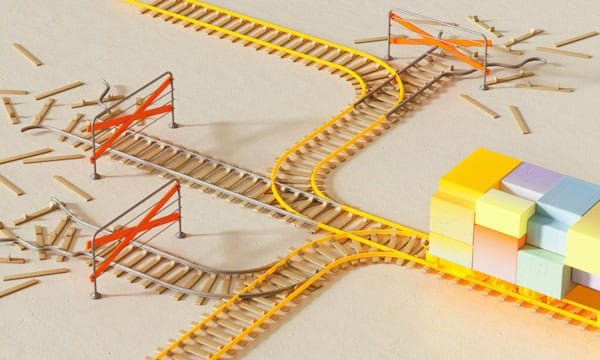
Think of change like a train that needs to shift direction. If it turns too sharply, it derails. It has to slow down first, adjust carefully, and then continue in a new direction. Your habits work in a similar way. If you try to change everything overnight, your system may resist. You may feel overwhelmed, exhausted, or discouraged before the new behavior has time to become part of your life.
But when you introduce change gradually, your body and mind have time to adapt. You reduce the old habit slowly and replace it with a new one step by step. This is why small steps are not a delay. They are the safest way to change direction without derailing your whole life.
Start Small, Stay Consistent
Whatever goal you’re working toward, ask yourself: What’s the smallest step I can take today? Want to exercise? Start with five minutes of movement. Looking to eat healthier? Add one extra serving of vegetables. Trying to wake up earlier? Adjust your bedtime by 10 minutes at a time. These small changes will build upon each other, leading to big results over time.
FAQ: Small Steps: The Key to Lasting Change
Small steps reduce pressure and resistance. They make it easier to begin, repeat an action, and gradually build momentum.
Small enough that you can realistically do it within your current life. If the step still feels overwhelming, make it smaller.
Yes. Small actions can build on each other over time. As one behavior becomes easier and more familiar, you can gradually take the next step.
Look at whether the step is too demanding for your current energy, schedule, or circumstances. Instead of abandoning the goal, reduce the size of the step and try again.
Start by identifying where you feel stuck and what a slightly better version of that area would look like. Then choose one action that moves you in that direction and feels realistic enough to repeat.
Final Thoughts: Small Steps, Big Impact
Lasting change is usually not built through one intense effort. It is built through small steps repeated long enough to become familiar. Do not underestimate the first step because it looks simple. A five-minute walk can rebuild trust with your body. One cleared surface can reduce mental noise. One honest sentence can begin a boundary. One prepared meal can shift the way you care for yourself. One opened bill can reduce avoidance.
Small steps matter because they create movement without overwhelming your system. Start with one small step today. Repeat it tomorrow if you can. Adjust it if needed. Then let the next step become visible. This is how change becomes more realistic: not through pressure, but through a step small enough to begin and clear enough to repeat. Small steps to change your life may look simple, but they create the foundation for real transformation: analyze what feels heavy, visualize the next version of your life, and modify one small habit at a time.
Read the full guide here: 11 Rules for Changing Your Life.