
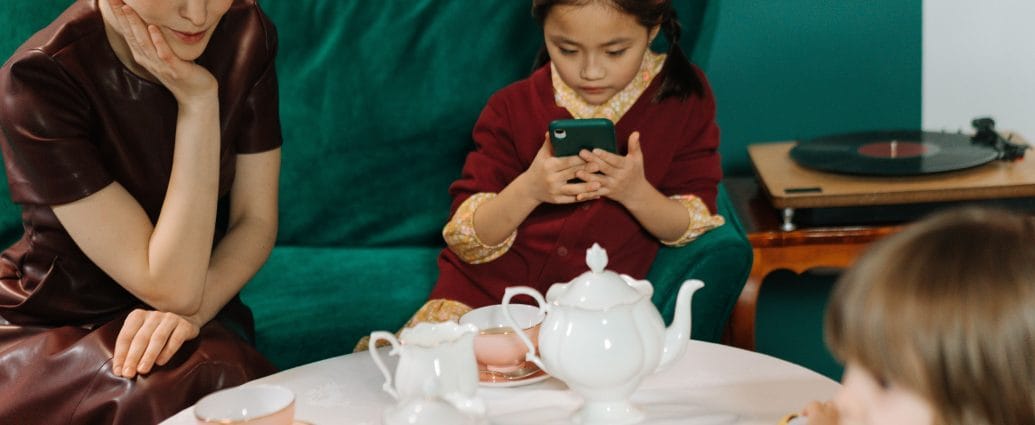
Learning how to have hobbies when you have small children can feel almost impossible, especially when you have no regular childcare, very little quiet time, and a body that is already tired from caring, working, cooking, cleaning, planning, and being constantly needed. Many self-care and hobby articles tell women to take a class, join a group, go for long walks, meet friends, start painting, go dancing, or make time for themselves. That advice may be useful for some women, but for a mother with small children and no childcare, it can sound disconnected from real life.
Because the real question is not only, “What hobby would I enjoy?” The real question is: How do I keep a small part of myself alive when I have almost no time, privacy, energy, or support?
This article is part of the wider Hobbies and Leisure Activities pillar inside the Change To Be Free approach. If you want to understand why hobbies matter in a bigger life transformation process, start with Hobbies and Leisure Activities: How to Reconnect with What Brings You Joy. This article focuses on how to have hobbies when you have small children, limited help, and very little uninterrupted personal space.
Why Hobbies Feel So Hard When You Have Small Children
Hobbies feel hard when you have small children because your time is not really your own. Even when you have a free moment, you may be interrupted. Even when the child sleeps, you may be too tired to do anything that requires energy, focus, or decision-making. This is why learning how to have hobbies when you have small children requires a different approach than ordinary hobby advice. This is not a discipline problem. It is a reality problem.
Small children need attention, food, comfort, supervision, washing, carrying, answering, cleaning, and emotional regulation. They need you when you are eating, when you are trying to shower, when you are making a phone call, when you sit down, and often when you finally think you have five minutes. If you also have work, household responsibilities, financial pressure, a partner who is not available enough, no nearby family, or no safe childcare option, the idea of having a hobby can feel almost insulting.
You may think:
- When exactly am I supposed to do this?
- Who will watch the children?
- What if I am too exhausted?
- What if I start and get interrupted after three minutes?
- What if I spend money on something and then never use it?
- What if I feel guilty for wanting time for myself?
These are not excuses. They are real barriers. That is why hobbies in this season need to be smaller, softer, and more flexible. The goal is not to create a perfect hobby routine. The goal is to protect one small part of your identity.
Stop Looking for the Perfect Hobby Season
When you have small children and no childcare, this may not be the season for a weekly art class, long hikes, regular dance evenings, quiet reading afternoons, or big creative projects that require space and concentration. That does not mean hobbies are impossible. It means you need a realistic way to understand how to have hobbies when you have small children without adding more pressure. It means hobbies need to match the season you are actually in.
This is not the season for perfect hobbies. This may be the season for micro-hobbies, shared hobbies, home-based hobbies, child-friendly spaces, smart combinations, and small moments that remind you that you are still a woman, not only a mother. A hobby does not have to be long to matter. It does not have to be done alone to matter. It does not have to be beautiful, uninterrupted, consistent, or impressive to matter.
Sometimes a hobby in this season looks like:
- reading one page before falling asleep
- dancing to one song in the kitchen
- sketching while your child colors
- listening to a podcast while folding laundry
- growing basil on the windowsill
- stretching for five minutes on the floor while children play nearby
- taking photos during a short walk
- writing three lines in a notebook
- making one small corner of your home feel more beautiful
- drinking tea slowly after bedtime instead of scrolling immediately
These moments may look small from the outside. But when your life is full of responsibility, small moments can become emotional oxygen.
Analyze: What Do You Actually Have Available?
The first step is not choosing the most exciting hobby. The first step is looking honestly at what you actually have available. This is the Analyze part of the AVM Method. You are not judging your life. You are not comparing yourself to women with more childcare, more money, more support, or older children. You are simply looking at your current reality.
Ask yourself:
- Do I usually have 5, 10, or 20 minutes?
- Do I have any quiet time, or only interrupted time?
- Do I have energy in the evening, or do I need something very gentle?
- Can I do something at home?
- Can I do something while my child is in the same room?
- Can I include my child without making the activity only about the child?
- Are there child-friendly spaces nearby where both of us can go?
- Does my child already have an activity where I could use the waiting time differently?
- Do I have another parent I trust for simple playdate exchanges?
- Do I need calm, movement, creativity, beauty, or mental stimulation?
- Do I need something free or very low-cost?
- What part of me do I miss most right now?
This matters because many women choose hobbies from fantasy, then feel like they failed when the hobby does not fit their life. A mother with small children and no childcare does not need another reason to feel inadequate. She needs a plan that respects reality. If you want a broader process for choosing hobbies based on your real energy and needs, read How to Find Hobbies That Balance Your Life. For this article, the focus is even more specific: what can work when your time is fragmented and your support is limited.
Visualize: What Do You Need From a Hobby Right Now?
When life is intense, the question is not, “What is my dream hobby?”
A better question is: What do I need from a hobby right now?
You may need calm because your nervous system is overstimulated. You may need movement because your body feels stiff, heavy, or trapped in routines. You may need creativity because every day feels like the same cycle of tasks. You may need beauty because your environment feels messy and chaotic. You may need learning because your mind misses adult stimulation. You may need connection because motherhood has become lonely. You may need something that reminds you that you still have an inner life.
This is important because different hobbies give different kinds of support. If you need calm, your hobby may be reading, knitting, journaling, tea rituals, music, or slow stretching. If you need movement, your hobby may be dancing at home, stroller walks, short yoga, mobility exercises, or walking while your child is in an organized activity. If you need creativity, your hobby may be sketching, photography, decorating a small shelf, painting with your child nearby, or writing short notes.
If you need connection, your hobby may be a mother-and-child group, a walking friend, a library story hour, a parent-and-child workshop, or a shared activity with another family. If you need mental stimulation, your hobby may be listening to podcasts, learning a language app for five minutes, reading non-fiction, or watching one short tutorial. The hobby does not need to look impressive. It needs to give you something back.
Modify: Choose Micro-Hobbies First
When you have small children and no childcare, micro-hobbies are often the most realistic starting point. For many mothers, this is the most realistic answer to how to have hobbies when you have small children and no regular childcare. A micro-hobby is a very small activity that helps you reconnect with yourself without requiring a perfect schedule, quiet house, expensive equipment, or a large block of time. Micro-hobbies work because they fit into real life. They do not ask you to become a completely different person with a completely different schedule.
Examples of micro-hobbies include:
- reading one page
- writing three lines in a journal
- dancing to one song
- stretching for five minutes
- watering plants slowly
- taking one photo a day
- listening to a podcast while doing chores
- sketching for five minutes
- learning five words in another language
- making a small playlist
- trying one simple recipe per week
- arranging flowers or branches in a vase
- doing one tiny home project
- sitting outside for five minutes with tea
A micro-hobby may not look like much, but it sends an important message to your body and mind:
I still exist inside this life.
That message matters.
Hobbies You Can Do With Children Nearby
Some hobbies can happen with children nearby. This does not mean the hobby becomes a children’s activity. It means you choose an adult activity that can survive interruption, noise, or shared space. This is an important distinction. You are not only entertaining your child. You are creating a small activity that still belongs to you, even if your child is in the room.
Possible hobbies with children nearby include:
- drawing or sketching while children draw
- dancing together to music you enjoy
- gardening with simple child-safe tasks
- baking or cooking one simple recipe
- taking photos during walks
- doing gentle stretching on the floor
- listening to music while playing
- making simple crafts
- reading while your child looks at books
- organizing a small drawer while children play nearby
- decorating a small home corner
- collecting leaves, stones, or flowers on a walk
- growing herbs on a windowsill or balcony
The key is to lower the standard. It may not be quiet. It may not last long. It may not feel deeply restorative every time. But it can still create contact with the part of you that enjoys, creates, moves, notices, and chooses. That is not nothing.
Hobbies You Can Do After Children Sleep
After children sleep, many mothers finally get a little space, but that does not always mean they have energy. This is why evening hobbies need to be gentle and realistic. Do not choose an evening hobby that demands too much if you are already exhausted. Choose something that helps you come back to yourself without creating more pressure.
Evening hobbies can include:
- journaling for five minutes
- reading a few pages
- knitting or crochet
- gentle yoga
- stretching
- listening to calming music
- watching one useful tutorial
- doing a short online course
- planning a future garden, room, or creative project
- writing creatively
- painting or sketching
- preparing a calming tea ritual
- skincare as a quiet ritual
- sorting photos
- making a simple vision board
- working slowly on a small craft
The biggest mistake is expecting yourself to use every evening perfectly. Some nights you will only need sleep. Some nights you will need silence. Some nights you will scroll because your brain is done. Be honest, but do not abandon yourself completely. Even one or two evenings a week with a small intentional hobby can change how your week feels.
Hobbies You Can Do Outside Without Childcare
If you cannot leave the children with someone else, outdoor hobbies may need to include them. That does not make them meaningless. A walk with a stroller can become a photography walk. A playground visit can include listening to an audiobook or practicing mindful observation. A short trip outside can become a nature-collecting activity, a walking rhythm, or a way to reconnect with your body.
Outdoor hobbies without childcare can include:
- stroller walks
- phone photography
- nature walks with children
- collecting leaves or stones
- balcony gardening
- playground walking while children play
- simple outdoor stretching
- visiting parks
- listening to podcasts while walking
- gardening with children nearby
- short family hikes
- birdwatching
- seasonal nature observation
This requires a mindset shift. The activity may not be fully yours, but it can still contain something for you. You may not get silence, but you may get fresh air. You may not get a long walk, but you may get movement. You may not get a perfect hobby session, but you may get a moment of noticing beauty. That counts.
Use Child-Friendly Spaces as a Bridge Back to Yourself
When you have small children and no childcare, it can help to look for places where children are welcome instead of searching only for time away from them. This does not replace real personal time, but it can give you movement, social contact, adult conversation, fresh surroundings, and a small sense of life outside the home.
Many local communities offer activities where children can participate while parents stay nearby. These spaces can become a bridge between full-time caregiving and slowly reconnecting with your own interests. UNICEF also emphasizes that play supports children’s learning, development, and well-being, which is why child-friendly activities can support both the child and the parent.
You can look for:
- library story hours
- children’s workshops
- parent-and-child creative classes
- music activities for children
- toddler movement or gymnastics classes
- family-friendly community events
- museum or cultural activities for children
- outdoor family events
- parent-and-child swimming
- nature activities for families
- local playgroups
- mother-and-child groups
- creative workshops where parents can participate too
These activities may not feel like a full hobby for you, but they can still support your life. You leave the house. You meet other adults. You hear new conversations. Your child is included. You may discover local programs, future classes, or other mothers in a similar situation. This matters because isolation makes motherhood heavier. Sometimes the first step is not a private hobby. Sometimes the first step is simply getting into a space where both you and your child are allowed to exist.
A library story hour may not be your dream hobby. A children’s movement class may not give you deep rest. But it can create rhythm, connection, and a small opening in the week. From there, you may slowly find more space for your own interests again.
Use Children’s Activities to Create Time for Your Own Hobby
Sometimes the solution is not separate childcare, but smart timing. If your child has an activity, class, training, workshop, library hour, or playdate, you may be able to use that time for a small hobby of your own instead of waiting, scrolling, or treating the time as lost. This works especially well when the child is old enough to stay safely in an organized activity without you being directly involved. For example, if your child has football practice, gymnastics, music class, dance class, swimming, language lessons, or another structured activity, you can ask yourself: What could I do nearby during this time?
You might:
- walk in a nearby park
- hike a short local hill
- read in a café or library
- listen to an audiobook while walking
- do a short workout nearby
- journal in the car
- take photos around the area
- meet a friend for coffee
- work on a small creative project
- sit quietly without using the time only for errands
This may not feel like a large amount of freedom, but it can become a meaningful rhythm. One mother may take her teenager to football training and use that time to walk up a nearby hill. Another may bring a book to a child’s class. Another may use the 45 minutes for a walk, stretching, journaling, or a podcast that nourishes her mind. The point is to stop seeing every child-related activity only as waiting time. Sometimes it can become protected time for your own small hobby too.
You can also create gentle exchanges with other parents. For example, you invite your child’s friend to your home so the children play together, and another day your child goes to that friend’s home. This is not formal childcare, but it can create small pockets of time for both families. These arrangements need trust, safety, clear communication, and realistic expectations. But when they work, they can give mothers small but valuable breathing spaces. You might use that time to walk, read, rest, create, exercise, learn, or simply be alone for a while.
This is not selfish planning. It is practical life design. When you have small children and limited support, you often have to build personal time from small pieces. Children’s activities, shared playdates, parent exchanges, community programs, and nearby hobby options can become part of that structure.
Stop Waiting Until the Home Is Perfectly Clean
One hidden reason mothers lose their hobbies is that they are always trying to finish the house first. There is always laundry. There are always dishes. There are always toys on the floor, crumbs under the table, clothes to fold, school papers, bottles, shoes, bags, and something that needs wiping, sorting, cooking, or putting away. When my children were small, I was often that mother. A friend would invite me for coffee or a walk, and I would say, “I can’t. I have to clean.” Again and again, I chose the home over the experience.
At the time, it felt responsible. Looking back, I can see something important: with small children, the home is rarely completely finished. You can spend the whole day cleaning and still feel behind by evening. At some point, you have to accept that a home with children will not always look perfectly organized. That does not mean you stop caring for your home. It means you stop sacrificing every piece of your life to the idea that the home must be done before you are allowed to live.
Sometimes the better choice is to leave the dishes for later and go for a walk. Meet the friend. Take the child outside. Go to the library story hour. Sit in the park. Join the small activity. Drink coffee while the children play. Take the short walk instead of folding one more basket of laundry. The home will still need attention when you return. But the experience you gave yourself and your child may stay with you longer than a perfectly clean kitchen.
This matters because constant cleaning can quietly build resentment. You may begin to feel that your whole life is maintenance. You clean, cook, wash, organize, repeat, and still never feel done. Over time, this can make you angry, tired, and emotionally unavailable, even if you are doing everything “right.” A child does not need a perfect home every day. A child also needs a mother who has moments of air, connection, movement, and life. You need that too. This is not permission to live in chaos. It is permission to stop treating hobbies, friendship, fresh air, and small moments of joy as rewards you only earn after everything is finished. Because with small children, everything is almost never finished.
When You Feel Resentful Because You Have No Help
Sometimes the problem is not that you cannot find the right hobby. Sometimes the problem is that you are exhausted, unsupported, and carrying too much alone. If you feel resentful because you have no childcare, no family nearby, no reliable help, or a partner who does not take enough responsibility, do not shame yourself for that feeling. Resentment is information.
It may be telling you that your needs have been ignored for too long. It may be telling you that the family system is not balanced. It may be telling you that you need more practical support, not more discipline. It may be telling you that “just make time for yourself” is not enough when nobody helps create that time. This does not mean every situation has an easy solution. Some women truly have very limited support. But even then, it is important to name the reality clearly.
You are not failing because you cannot maintain the same hobby life as a woman with childcare, involved grandparents, more money, older children, or a partner who gives her regular free time. Your situation has limits. Your needs still matter. If support can be negotiated, ask for it clearly. Not vaguely. Not apologetically.
For example:
- “I need 30 minutes on Saturday morning to walk alone.”
- “I need you to take over bedtime twice a week.”
- “I need one evening a month for a class or activity.”
- “I need a predictable break, not only help when I collapse.”
If support is not available right now, lower the hobby standard without lowering the value of your inner life. Micro-hobbies are not the full answer, but they can help you keep a small part of yourself alive until more space becomes possible.
How Hobbies Support Your Identity as a Woman, Not Only as a Mother
Motherhood can be meaningful and demanding at the same time. You can love your children deeply and still miss yourself. You can be grateful and still exhausted. You can be committed to your family and still need something that belongs to you. That is not selfish. That is honest. Hobbies help because they remind you that motherhood is part of your identity, not the whole of it.
You are still a woman with preferences, curiosity, creativity, a body, a mind, a sense of beauty, a need for friendship, a need for quiet, a need for movement, and a need for personal meaning. When you make even a little space for hobbies, you are not taking love away from your children. You are showing them that a woman is allowed to have an inner life. That matters too.
Children do not only learn from what we tell them. They learn from what they see. When they see a mother reading, moving, creating, learning, gardening, writing, or enjoying music, they see that adulthood is not only exhaustion and duty. They see that life can include care and self-respect.
Simple Hobby Ideas for Mothers With Small Children and No Childcare
If you feel too tired to think, start with one category.
| If you need… | Try this |
| Calm | reading one page, tea ritual, music, journaling, stretching |
| Movement | kitchen dancing, stroller walks, floor stretching, short yoga |
| Creativity | sketching, phone photography, simple crafts, decorating a shelf |
| Beauty | flowers, balcony plants, skincare ritual, home corner refresh |
| Learning | podcasts, language app, short tutorial, audiobook |
| Connection | mother-and-child group, walking with another mother, online class |
| Shared activities | library story hours, parent-and-child workshops, toddler gymnastics, children’s music classes, family events |
| Time during children’s activities | walking nearby, reading, journaling, short workout, photography, audiobook, coffee with a friend |
| Grounding | gardening, cooking slowly, nature walks, caring for plants |
| Identity | journaling, vision board, creative writing, personal playlist |
| When the house is never finished | leave one task for later, go for a walk, meet a friend, visit the library, take children outside, choose one memory over one more chore |
If you want a wider list of hobby ideas for different seasons of life, you can also explore Hobbies After 40: The Ultimate Guide. Choose one. Try it once. Then notice how you feel. Do not turn this into another area where you must perform.
How to Have Hobbies When You Have Small Children: A Simple Weekly Rhythm
When you have small children and no childcare, a realistic weekly hobby rhythm may look very small. That is fine.
Try this:
- one 5-minute micro-hobby during the week
- one activity with children nearby
- one child-friendly outing
- one small use of waiting time during a child’s activity
- one small evening activity after bedtime
- one honest check-in about what you need
This rhythm is not a rule. It is a starting point. A realistic hobby rhythm might be:
Monday: five minutes of stretching.
Wednesday: podcast while folding laundry.
Friday: one page of reading before bed.
Saturday: library story hour with your child, then coffee outside.
Sunday: playground time, short walk, and three journal lines in the evening.
Or, if your child has an activity:
Tuesday: child’s football practice, 40-minute walk nearby.
Thursday: friend’s child comes over to play, then your child visits them another day.
Weekend: one small family-friendly event instead of waiting for the home to be perfectly clean.
Is this glamorous? No. Can it help a mother feel a little more connected to herself? Yes. That is the point.
Reflection Questions for Mothers Who Need Space for Themselves
Use these questions gently. Do not use them to criticize yourself.
- What small part of myself do I miss?
- What could I do for five minutes without needing childcare?
- What activity could happen in the same room as my child?
- What child-friendly spaces exist near me?
- Could I use my child’s activity time differently?
- Is there another parent I trust for occasional playdate exchanges?
- What gives me calm instead of more pressure?
- Where do I compare myself unfairly to women with more support?
- Am I always choosing cleaning over connection, rest, or life?
- What do I need: quiet, movement, creativity, beauty, learning, or connection?
- What is one small thing I could repeat this week?
- What would help me feel like a woman, not only a mother?
One honest answer is enough to begin.
FAQ: How to Have Hobbies When You Have Small Children
Start with micro-hobbies and realistic combinations. Choose activities that take 5 to 20 minutes and do not require perfect conditions. You can also use child-friendly spaces, children’s activities, playdate exchanges, library story hours, outdoor walks, or small evening rituals to create moments that support your identity.
Mothers can do many hobbies at home, including reading, journaling, knitting, drawing, indoor plants, balcony gardening, yoga, stretching, cooking, baking, photography, music, online courses, simple crafts, skincare rituals, and small home projects.
Micro-hobbies are very small activities that help you reconnect with yourself when you have limited time, energy, privacy, or support. They are useful for mothers with small children because they fit into real life instead of requiring perfect conditions.
Look for child-friendly spaces instead of only looking for childcare. Library story hours, parent-and-child workshops, toddler movement classes, children’s music activities, family events, playgroups, and local community programs can give you a way to leave the house, meet people, and reconnect with life while your child is included.
Yes, if your child is safely included in a structured activity, you can use that time for something that supports you too. While your child is at football practice, gymnastics, music class, library hour, or a workshop, you might walk nearby, read, journal, listen to an audiobook, take photos, exercise, or meet a friend. This turns waiting time into a small but meaningful space for your own life.
Yes, when there is trust and clear communication, playdates can create small breathing spaces. You may invite another child to your home so the children play together, and another day your child visits that friend. This is not formal childcare, but it can help both families create small pockets of time for rest, hobbies, or practical tasks.
If you have small children, the house may rarely feel completely finished. There will often be laundry, dishes, toys, and something else to clean. This does not mean you never care for your home, but it does mean you may need to stop waiting for perfect order before you allow yourself to live. Sometimes it is healthier to leave one task for later and choose a walk, a coffee with a friend, a library visit, or a small hobby moment instead.
Look for small pockets of time instead of waiting for a long free afternoon. You can use five minutes before bed, a short walk, time while children play nearby, a child-friendly event, your child’s activity time, or a small activity after bedtime. If you have a partner or family support, ask for specific, predictable help instead of hoping time will appear.
Yes. In demanding seasons of life, five minutes can matter. A short hobby can still give you calm, identity, creativity, movement, or emotional breathing space. The point is not the length of time. The point is that something in your life still belongs to you.
Guilt is common when you are used to putting everyone else first. Start small and remind yourself that your needs matter too. Taking a few minutes for a hobby does not mean you love your children less. It means you are also caring for the woman who is raising them.
Final Thoughts: You Can Have Hobbies When You Have Small Children
When you have small children and no childcare, hobbies will not always look the way you want them to look. They may be interrupted, short, messy, simple, and inconsistent. But they can still matter. You do not need a perfect hobby life right now. You need one small space where you remember that you are still here too.
One page.
One song.
One walk.
One plant.
One photo.
One library hour.
One child’s training session used differently.
One coffee with a friend while the children play.
One journal line.
One quiet cup of tea.
Start there. This is how to have hobbies when you have small children: not by waiting for perfect conditions, but by creating small, realistic spaces that still belong to you. A small hobby in a demanding season is not a failure. It is a form of self-respect.