Personal Style After 40 Starts With Honesty
Personal style after 40 is not about dressing younger, hiding your body, or following every trend. It is about choosing clothes that support who you are now and the woman you are becoming. Many women over 40 do not lose their sense of style overnight. They lose contact with it slowly, through years of responsibility, body changes, stress, work, family needs, emotional transitions, and practical decisions made in a hurry. One day they look into their wardrobe and realize that most of their clothes no longer reflect who they are, how they want to feel, or where they are going next.
The clothes may still fit the body, but not the woman. Or they may no longer fit the body at all, yet they stay in the wardrobe as a silent reminder of a past version of life. Some pieces belong to an old job, an old relationship, an old weight, an old identity, or an old habit of hiding. Other pieces were bought quickly because they were comfortable, cheap, safe, or “good enough.” Over time, a wardrobe can become less about expression and more about survival.
Personal style after 40 is not about chasing trends or trying to look younger. It is about dressing in a way that supports your confidence, respects your current body, and reflects the woman you are becoming. Research on clothing and self-perception also suggests that what we wear can influence how we feel, think, and carry ourselves in daily life.
This guide is part of the Health, Fitness, Diet & Style pillar inside the Change To Be Free system. If you want the full picture of how body, energy, food, movement, self-care, and style work together, start with Health, Fitness, Diet & Style: How to Rebuild Energy and Confidence After 40. Style belongs in this pillar because how you dress affects how you carry yourself, how visible you allow yourself to be, and how connected you feel to your own life. After you have looked at your eating habits, your health vision, your self-care routine, and the kind of movement that fits your real life, style becomes the visible part of change. It is where your inner direction starts to meet your outer life.
Why Personal Style After 40 Feels Different
Personal style often changes after 40 because life changes after 40. Your body may change. Your work life may change. Your relationship status may change. Your children may need you differently. Your energy may shift. Your priorities may become clearer. You may no longer want to dress like the woman who was trying to please everyone, disappear, prove herself, or hold everything together quietly.
But many women do not pause long enough to update their style. They continue wearing clothes that belong to an old chapter because changing style feels confusing, expensive, vain, or emotionally uncomfortable. Sometimes the issue is practical. The body has changed and shopping feels frustrating. Sometimes the issue is emotional. A woman no longer knows what she likes because she has spent years asking what everyone else needs.
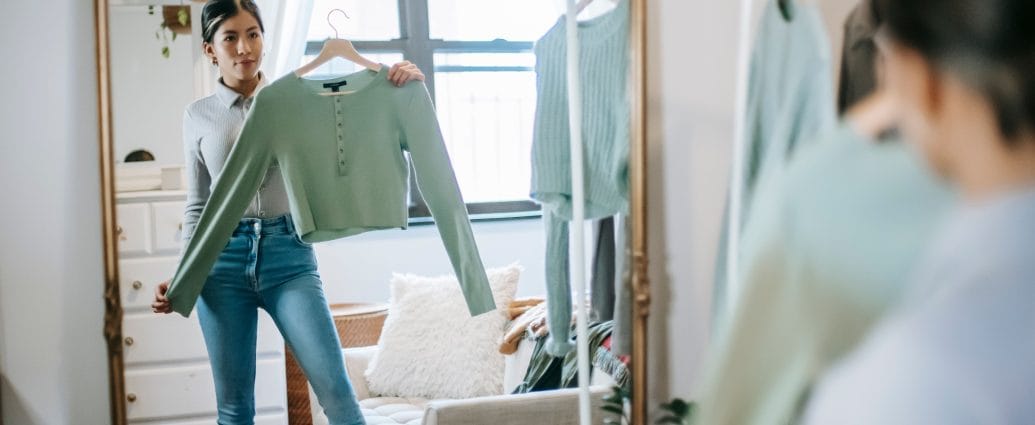
There can also be grief in style after 40. Grief for the body that used to feel easier to dress. Grief for the woman who felt more visible, more playful, more confident, or more desired. Grief for years spent putting herself last. That grief does not mean you are shallow. It means your body and identity have been part of your life story. Style after 40 asks for honesty. Not harshness. Honesty. You are not here to dress a fantasy body or an old identity. You are here to dress the woman who is standing in front of the mirror now.
Personal Style After 40 Is Not Vanity
Personal style after 40 is not vanity. It is one way a woman reconnects with her identity, confidence, and presence after years of responsibility, body changes, and putting herself last. They tell themselves that clothes do not matter, that comfort is enough, that there are more important things to think about, or that caring about appearance is vain. But style is not only about appearance. Style is also about identity, presence, self-respect, energy, and the way you move through your day.
The problem is not comfort. Comfort matters. The problem begins when comfort becomes a hiding place. There is a difference between choosing soft, practical clothes that support your day and wearing clothes that make you feel invisible, defeated, or disconnected from yourself.
When a woman wears clothes that constantly make her feel bad, the effect is not neutral. She may avoid mirrors, avoid photos, avoid social situations, or avoid showing up fully. She may stop making effort because effort feels pointless. She may tell herself she will care again later, after she loses weight, earns more money, has more time, or feels more confident. But confidence often returns through action. You do not always wait to feel confident before you dress with more care. Sometimes you dress with more care so your confidence has a place to return to.
Stop Waiting for a Different Body
One of the most painful style traps after 40 is waiting for a different body. Many women keep clothes that do not fit because they believe those clothes will motivate them. They postpone buying clothes because they want to lose weight first. They wear the same few pieces on repeat because they do not want to “accept” their current size. They treat dressing well as something they will deserve later. This creates a quiet daily punishment. Every morning becomes a reminder that the current body is not allowed to be dressed with respect. The wardrobe becomes a place of negotiation, frustration, and sometimes shame.
You do not have to love every part of your body to dress it with dignity. You do not have to give up on your health goals to buy clothes that fit now. You do not have to choose between wanting change and respecting yourself today. Your current body still carries your life. It works, feels, moves, holds stress, gets tired, recovers, and keeps going. It deserves clothing that allows you to breathe, move, work, walk, sit, and show up without feeling punished. Dressing your current body is not surrender. It is leadership.
Use AVM to Rebuild Personal Style After 40
Inside the AVM Method™, style is not treated as a random shopping project. You do not begin by buying a new wardrobe or copying someone else’s outfits. You begin by understanding what your current style is saying, what you want your appearance to support, and what small changes would help you feel more aligned. This is important because many women try to change style from frustration. They look at their wardrobe, feel bad, buy random pieces, and then still feel like nothing works. The problem is often not that they have no clothes. The problem is that there is no clear direction.
Personal style after 40 works better when you move through three steps: Analyze, Visualize, Modify. You look at what is currently happening. You define how you want to feel and be seen. Then you make small, practical changes that fit your real body, real budget, and real life.
Analyze: What Is Your Wardrobe Saying Now?
Before you change your style, look honestly at what your wardrobe currently reflects. This is not about judging yourself. It is about reading the evidence of your life. Your wardrobe may show where you have been practical, tired, hopeful, hidden, rushed, careful, disconnected, or afraid to spend money on yourself. Open your wardrobe and notice what is actually there. Which clothes do you wear all the time? Which clothes do you avoid? Which clothes make you feel heavy before you even leave the house? Which pieces belong to an old body, old job, old relationship, or old version of you? Which pieces are comfortable but make you feel like you have disappeared?
Also notice what is missing. Maybe you do not have enough structured pieces. Maybe everything is too casual. Maybe you have work clothes but nothing that feels feminine or alive. Maybe you have clothes for hiding but not clothes for becoming visible. Maybe you have many items but very few complete outfits. The goal of Analyze is not to shame yourself into change. The goal is to understand what your clothes are currently doing for you, and what they are no longer doing.
Visualize: How Do You Want to Feel in Your Clothes?
After you understand your current wardrobe, you need direction. Many women say they want to “dress better,” but that is too vague. Better how? More elegant? More relaxed? More structured? More feminine? More modern? More confident? More practical? More visible? More creative? More professional? More sensual? More calm?
Your style vision does not need to be dramatic. It needs to be honest. You may want to look like a woman who takes herself seriously. You may want to feel comfortable but not sloppy. You may want to look calm, capable, and feminine. You may want a slightly edgy detail because you are tired of feeling too soft or invisible. You may want clothes that support work but still feel like you.
This is where style connects to your bigger healthy lifestyle vision. If you are rebuilding energy, confidence, and self-respect, your clothes should support that. If you are learning to care for your body through movement and self-care, your wardrobe should not keep pulling you back into shame. A useful style vision might sound like this: “I want to dress in a way that feels comfortable, structured, feminine, and slightly stronger than before. I want my clothes to fit my current body and support the woman I am becoming.” That is enough to guide better choices.
Modify: Change One Style Habit at a Time
Modify is where style becomes practical. You do not need to throw everything away or buy a whole new wardrobe. In fact, that often creates more confusion. A better approach is to make one small change that has a visible effect on your daily life. You might start by removing five pieces that make you feel bad every time you try them on. You might create three reliable outfits for work. You might buy one pair of trousers that actually fits your current body. You might replace worn-out shoes. You might add one structured jacket, one better-quality top, or one color that makes your face look more alive.
The key is to stop buying randomly. Every new piece should answer a real need in your life. Does it fit your body now? Does it work with at least three things you already own? Does it support the style direction you want? Does it make you feel more present, not more hidden? Small style changes can create a surprising amount of emotional movement. When you stop fighting your wardrobe every morning, you save energy. When you have clothes that fit, you reduce daily shame. When you dress with more intention, you remind yourself that you are still participating in your own life.
The Three Style Problems Many Women Over 40 Face
Many women over 40 do not need more clothes at first. They need to understand the pattern behind their wardrobe. Three common problems show up again and again: hiding, holding on, and dressing only for function.
Hiding
Hiding often looks like oversized clothes, dull colors, shapeless outfits, worn-out basics, or choosing whatever makes the body least noticeable. Sometimes hiding is connected to weight gain, body changes, divorce, aging, low confidence, or simply years of being too tired to care. The issue is not that loose or simple clothing is wrong. The issue is how you feel in it. If your clothes help you move through the day with ease, that is fine. If they make you feel invisible, resigned, or disconnected, they are not really supporting you.
Holding On
Holding on means keeping clothes that belong to another version of life. These may be clothes from a smaller body, a different job, a past relationship, a younger identity, or a lifestyle you no longer live. Keeping a few meaningful pieces is normal. Keeping a wardrobe full of emotional pressure is different. When too many clothes belong to the past, the wardrobe stops serving the present. It becomes a museum of who you were, who you thought you should be, or who you are afraid you will never be again.
Dressing Only for Function
Function matters, especially for women with full lives. You need clothes that work for your job, home, errands, weather, comfort, and body. But when function is the only consideration, style can become flat. A woman may look dressed, but not expressed. The goal is not to make every outfit special. The goal is to bring back enough intention that your clothes feel like they belong to you. Even one small detail can change the feeling: better fit, a cleaner shape, a more flattering neckline, a softer color, a belt, earrings, a jacket, or shoes that make the outfit feel finished.
Build Personal Style After 40 Around Your Real Life
A good wardrobe after 40 should support the life you actually live. Not the fantasy life. Not the past life. Not the life of someone online. Your real life. If you work outside the home, your wardrobe needs reliable work outfits that help you feel capable without draining your energy every morning. If you spend a lot of time at home, your home clothes still matter because they affect how you feel in your body. If you walk, commute, cook, care for others, or move between many roles in one day, your clothes need to support that movement.
The mistake many women make is buying individual pieces without thinking about actual outfits. They buy a pretty top but have no trousers that work with it. They buy shoes that look nice but do not fit their daily life. They buy something for an imaginary occasion and still have nothing to wear on a normal Tuesday. A more useful approach is to build outfit formulas. An outfit formula is a simple combination you can repeat with different pieces. For example, straight-leg trousers, a soft knit top, and ankle boots. Or dark jeans, a white shirt, a cardigan, and clean sneakers. Or a midi skirt, fitted top, and simple jacket. The formula gives you structure, but you can adjust it to your taste. Style becomes easier when you stop asking, “What should I wear?” and start knowing, “This combination works for my life.”
Fit Matters More Than Size
After 40, fit becomes more important than the number on the label. Many women suffer in clothes because they are emotionally attached to a size. They squeeze into something too tight or refuse to buy the size that fits because the label feels like failure. But nobody sees the label. They see the fit. Good fit gives the body space, shape, and proportion. It allows you to sit comfortably, breathe, move, and stand with more ease. Clothes that are too tight can make you feel self-conscious all day. Clothes that are too loose can remove your shape completely. Neither extreme helps confidence.
The goal is not to hide the body or expose everything. The goal is to create a balanced silhouette that feels supportive. This might mean choosing trousers with a better waistband, tops that skim instead of cling, jackets that create structure, dresses that follow the body without squeezing it, or fabrics that have enough weight to fall well. When clothes fit properly, you often look calmer, more polished, and more confident without trying harder.
Choose Structure Without Losing Comfort
Many women over 40 want comfort, and that makes sense. The body may be more sensitive to tight waistbands, synthetic fabrics, stiff shoes, or restrictive clothing. But comfort does not have to mean shapeless. The most useful style shift is often adding structure while keeping comfort. A soft blazer instead of a tight formal jacket. Straight-leg trousers with stretch instead of leggings every day. A quality knit instead of an old sweatshirt. Clean sneakers or ankle boots instead of worn-out shoes. A simple dress with a cardigan or jacket instead of an outfit that feels thrown together.
Structure helps you feel more put together. Comfort helps you actually live in the clothes. You need both. This is especially important if you are upgrading your style after years of dressing casually. You do not have to become formal. You can keep softness, ease, and practicality while adding clearer lines, better fit, and more intentional pieces.
Use Color to Bring Yourself Back
Color has an emotional effect. Many women over 40 slowly move into dark, safe, neutral clothing because it feels practical or slimming. Neutrals can be beautiful, but if everything becomes dull, your whole appearance can start to feel tired. You do not need to wear bright colors if they do not feel like you. You can use soft, muted, elegant colors that bring warmth and life to your face. Dusty rose, olive, cream, warm beige, soft blue, muted burgundy, taupe, chocolate, or deep green may feel more mature and wearable than loud colors.
The question is not whether a color is fashionable. The question is what it does to you. Does it make your face look softer, clearer, warmer, more alive? Does it feel aligned with the woman you are becoming? Does it help you feel visible without feeling exposed? Start with one color near your face. A scarf, blouse, cardigan, jacket, or earrings can shift the whole feeling of an outfit.
Style and Body Confidence
Body confidence after 40 is not always loud. It is not always about loving every part of yourself. Sometimes it begins with the quiet decision to stop dressing as if your body is a problem. When your clothes fit, support your shape, and reflect your current life, the body often feels less like an enemy. You stop negotiating with it every morning. You stop waiting for permission to look presentable. You stop making every outfit a referendum on your weight, age, or worth.
This connects directly to self-care. A self-care routine at home helps you rebuild daily contact with your body. Movement helps you build strength, energy, and capacity. Style helps you become visible to yourself again. You do not have to be perfectly confident to dress better. You can dress with respect first and let confidence catch up. Research on clothing and self-perception suggests that what people wear can influence how they think, feel, and perform in certain situations.
A Simple Wardrobe Reset After 40
A wardrobe reset does not need to take a whole weekend or require a complete transformation. You can begin with one small section: work clothes, everyday tops, jeans, shoes, or clothes you wear at home. The goal is to reduce emotional noise and create a clearer sense of what supports you now. This is why personal style after 40 should begin with honesty, not shopping. Start by removing the clothes that create immediate heaviness. These are the pieces that pinch, pull, make you feel older than you are, remind you of failure, or belong to a life you no longer live. You do not have to throw everything away immediately. If that feels too intense, place them in a separate bag or box and create space between you and the pressure.
Then look for the pieces that actually work. Which clothes make you feel calm, comfortable, capable, feminine, structured, relaxed, or more like yourself? These pieces are clues. They show you what your style is trying to become. From there, identify what is missing. Maybe you need better trousers, two reliable tops, a jacket, comfortable shoes, or one outfit for social situations. Do not buy randomly. Buy to complete your real life.
A Practical Style Starter Plan
If you feel overwhelmed, begin with a simple starter plan. The purpose is not to become stylish overnight. The purpose is to stop feeling defeated by your wardrobe and create a few reliable choices. Start with three outfits: one work or professional outfit, one relaxed everyday outfit, and one outfit for going out, meeting a friend, or feeling more visible. These outfits should fit your current body, support your daily life, and make you feel a little more aligned than before.
You can also choose one style upgrade for the next month. That might be better jeans, a softer color near your face, a structured cardigan, a comfortable pair of ankle boots, a blazer, a simple dress, or replacing clothes that are worn out. One good change is more useful than five random purchases. The point is to build slowly. Personal style after 40 is not a costume. It is a return to self-recognition.
Reflection Questions for Personal Style After 40
Use these questions before you buy more clothes or make major wardrobe changes. They will help you understand what your style needs to support now.
Analyze
- What does my current wardrobe say about my life right now?
- Which clothes make me feel worse when I wear them?
- Which clothes belong to an old version of me?
- Where am I dressing to hide?
- Where am I dressing only for function and not for identity?
- What body changes am I still refusing to dress with respect?
Visualize
- How do I want to feel when I get dressed?
- What three words describe the style I want now?
- Do I want to feel more calm, feminine, structured, confident, relaxed, visible, creative, or professional?
- What kind of woman am I becoming?
- What would she wear in real daily life?
Modify
- What five pieces can I remove because they no longer support me?
- What three outfits can I create from clothes I already own?
- What one missing item would make my wardrobe easier?
- What color, shape, or fabric makes me feel more alive?
- What is one style habit I can change this week?
What Not to Do When Rebuilding Style After 40
When you decide to improve your style, it is easy to make the process too big. You may want to throw everything away, buy a new wardrobe, copy someone online, or fix everything immediately. That usually creates more pressure. Do not buy clothes for a fantasy version of your life. Do not keep punishing clothes in your wardrobe as motivation. Do not choose only what hides your body. Do not buy something just because it is cheap. Do not copy a style that does not fit your personality, work, body, budget, or real routines.
Also, do not wait until you feel fully confident. Confidence is not always the starting point. Sometimes it is the result of repeated respectful choices. You are not dressing to impress everyone. You are dressing to stop abandoning yourself.
How Personal Style After 40 Supports Your Health Journey
Personal style is not separate from health. It is connected to the way you live in your body. Your eating habits affect your energy. Your health vision gives direction. Your self-care routine helps you maintain daily contact with yourself. Movement helps you build strength and capacity. Style helps you express the woman who is no longer willing to disappear.
If you are still building the foundation, begin with Health, Fitness, Diet & Style: How to Rebuild Energy and Confidence After 40. If food feels chaotic, read Analyzing Eating Habits After 40: Where to Start With Changes. If you need direction, read How to Build a Healthy Lifestyle Vision After 40. If you need daily support, read Self-Care Routine at Home After 40. If movement feels difficult or pressured, read Fitness After 40: How to Choose Movement That Fits Your Real Life.
Style is the visible layer of that same process. It is not the whole transformation, but it can be a powerful sign that something inside you is changing.
Final Thoughts: Personal Style After 40 Is Self-Respect
Personal style after 40 is not about becoming someone else. It is about becoming more honest about who you are now and who you are becoming. Your clothes do not need to be perfect, expensive, trendy, or dramatic. They need to support your real body, your real life, and your next chapter.
You do not have to wait for a different body, a different age, a different budget, or a different season of life to dress with more respect. You can begin with one drawer, one outfit, one better-fitting pair of trousers, one color that brings you back, or one decision to stop wearing clothes that make you feel defeated. Your wardrobe should not be a daily reminder that you have disappeared. It can become a quiet place of return.
FAQ: Personal Style
Start by looking honestly at your current wardrobe and noticing what still supports you and what no longer fits your body, identity, or daily life. Then choose three words that describe how you want to feel in your clothes, such as calm, feminine, structured, relaxed, confident, or creative. Use those words to guide future choices.
A woman after 40 should dress in a way that respects her current body, supports her real lifestyle, and reflects who she is becoming. There is no single rule for everyone. The best style is one that combines comfort, fit, structure, personality, and confidence.
Focus on fit, clean lines, good basics, comfortable structure, and a few details that feel like you. You do not need complicated outfits. A well-fitting pair of trousers, a flattering top, a structured cardigan or jacket, clean shoes, and one intentional accessory can already make you look more polished.
Avoid clothes that make you feel defeated, hidden, uncomfortable, or disconnected from yourself. This may include pieces that no longer fit, clothes kept only as “motivation,” worn-out basics, or outfits that belong to an old version of your life. The issue is not age. The issue is whether the clothes support you now.
Yes, you can wear trends after 40 if they genuinely fit your taste, body, lifestyle, and confidence. The goal is not to follow every trend, but to choose details that feel current without losing yourself. A trend should support your style, not replace it.
Start by choosing clothes that fit your current body instead of waiting for a future body. Look for fabrics, cuts, and shapes that allow comfort and create balanced proportions. Dressing your current body with respect does not mean giving up on change. It means you stop punishing yourself while you are changing.
You do not need a large wardrobe. You need enough clothes to create reliable outfits for your real life. A smaller wardrobe with pieces that fit, work together, and support your daily roles is often more useful than a full wardrobe that makes you feel overwhelmed.