
Understanding pinched nerve is the first step toward lasting relief. Dealing with a pinched nerve in the neck or back can be scary, especially when the pain limits your daily activities. While many people jump straight into massage or medication, a more thoughtful, balanced approach often works better in the long run. This article will help you understand what’s really happening in your body, what helps, and—just as importantly—what doesn’t.
What Is a Pinched Nerve?
Before you can heal, it’s important to know what you’re dealing with. A pinched nerve happens when too much pressure is placed on a nerve by the surrounding tissues—like bones, cartilage, muscles, or tendons. This pressure blocks the nerve’s ability to function normally.
The result? Your body sends you clear signals that something is off. Pain is usually the first one, but there are others too.
- Sharp or burning pain that feels worse when you move
- Tingling or a “pins and needles” feeling, especially in the arms or legs
- Numbness or a “dead” sensation in certain areas
- Muscle weakness near the affected area
If these symptoms sound familiar, don’t worry—many people experience them, and there are ways to feel better with time, care, and the right approach.

What Causes a Pinched Nerve?
The causes of a pinched nerve vary, but they often share one thing in common: they’re linked to how we live and move. Knowing what can trigger a pinched nerve can help you avoid future problems.
- Poor posture, especially from long hours sitting or looking at your phone
- Repetitive movements in work or sports that strain your muscles
- Injury or trauma, such as a fall or sudden twist
- Arthritis, which can lead to bone changes and inflammation
- Weight gain or obesity, which adds pressure to your spine and joints
These causes often build up quietly over time. That’s why it’s important to treat a pinched nerve not just as a momentary problem but as a wake-up call from your body.
Why a Holistic Approach Matters
It might feel tempting to look for quick fixes like pills or aggressive treatments, but they rarely offer lasting results. A holistic approach to pinched nerve treatment focuses on long-term healing, not just temporary relief.
This kind of approach means listening to your body, adjusting your habits, and slowly strengthening the areas that need support. Here’s how:
- Get a clear diagnosis. A healthcare provider can confirm it’s a pinched nerve and not something more serious.
- Start physical therapy. Gentle, guided exercises reduce pressure and build strength.
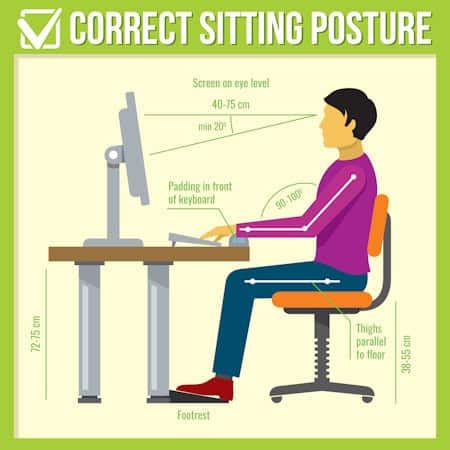
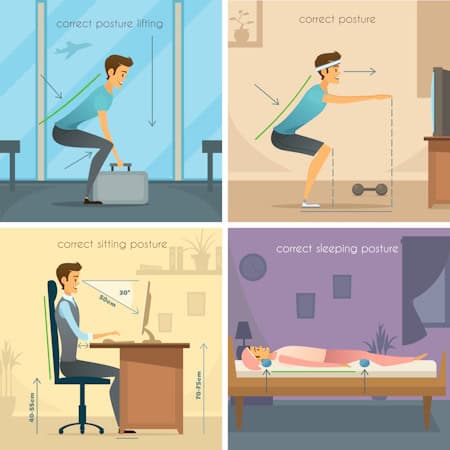
- Change your daily habits. That means improving your posture, adjusting your workspace, and taking more breaks during the day.
- Support your nervous system with stress relief. Practices like meditation, deep breathing, and yoga calm your body and can reduce muscle tension that irritates nerves.
Healing isn’t just physical. Stress and fatigue can make pain worse—so treating your whole self is key.

Is Massage Safe for a Pinched Nerve?
Many people ask, “Can I get a massage for a pinched nerve?” The answer is: sometimes, but not always. Massage can be helpful, but only if it’s done the right way.
- Always choose a trained therapist. They should understand nerve issues and know how to work gently.
- Avoid deep tissue massage. Strong pressure can make symptoms worse.
- Listen to your body. If a massage feels good and gives relief, great. But if you feel worse afterward, stop immediately.
If you’re unsure, speak with your doctor before booking a session.
Alternatives to Massage That Can Help
If massage isn’t right for you—or you just want more options—there are other gentle ways to relieve pain and encourage healing.
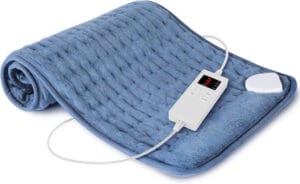
- Heat and cold therapy. Use a heating pad or ice pack to reduce swelling and soothe pain.
- Acupuncture. This traditional practice may help release muscle tension and boost circulation.
- Chiropractic adjustments, but only with someone experienced in treating nerve compression.
- Foam rolling and stretching, but only if guided by a professional or physical therapist.
These tools don’t fix the problem overnight—but combined with rest, they can support your recovery journey.
Everyday Habits That Help
When healing from a pinched nerve in shoulder or lower back, what you do every day makes a difference. Think of healing as something you build, step by step.
Here’s what helps most:
- Move more, but gently. Even short walks improve circulation and reduce stiffness.
- Stretch regularly to keep muscles relaxed and mobile.
- Strengthen your core to reduce pressure on your spine.
- Adjust your workspace to reduce strain on your neck and shoulders.
- Sleep well with good posture and a proper pillow.
These small changes are powerful. Over time, they reduce the risk of future flare-ups and help your body feel stronger and more balanced.
When to See a Doctor
Most pinched nerves improve with rest, gentle care, and time. But if the pain continues, spreads, or gets worse, it’s time to seek medical attention.
Go to a professional if you:
- Can’t move part of your body easily
- Have lasting numbness or weakness
- Experience sharp, shooting pain that doesn’t go away
Early help can prevent long-term nerve damage and speed up recovery.
Final Thoughts: Healing Takes Time
A pinched nerve doesn’t mean you’re broken—it means your body needs a break, some care, and a few adjustments. Be gentle with yourself. Healing is a process, and the small things you do today make a big difference tomorrow.
Instead of rushing, listen to your body. Trust its signals. And remember: real relief often comes not from one single treatment, but from many small, consistent steps.
Here are some common questions people ask when dealing with a pinched nerve—answered to give you extra clarity beyond the article.
Pinched Nerve – FAQ
How to relieve a pinched nerve?
<p class="" data-start="340" data-end="787">Relieving a pinched nerve starts with rest and gentle movement. Avoid activities that worsen the pain. Use <strong data-start="447" data-end="471">heat or cold therapy</strong>, depending on what feels better for your body. Some people find relief through <strong data-start="551" data-end="572">gentle stretching</strong>, <strong data-start="574" data-end="601">nerve gliding exercises</strong>, or <strong data-start="606" data-end="634">chiropractic adjustments</strong>. If you're <strong data-start="646" data-end="678">understanding pinched nerves</strong> from a holistic angle, don’t forget to address stress, posture, and muscle tension as part of your recovery.</p>
<h3 class="" data-start="789" data-end="832"></h3>
How long does a pinched nerve last?
<p class="" data-start="834" data-end="1162">A pinched nerve can last from a few days to several weeks, depending on the cause and how it’s treated. Mild cases may improve with rest and basic self-care. More severe or chronic cases might need physical therapy or other professional support. <strong data-start="1080" data-end="1112">Understanding pinched nerves</strong> helps you respond early—so healing starts sooner.</p>
<h3 class="" data-start="1164" data-end="1215"></h3>
Can sitting too much cause a pinched nerve?
<p class="" data-start="1217" data-end="1591">Yes, especially if you sit with poor posture. <strong data-start="1263" data-end="1291">Sitting for long periods</strong>, particularly with a rounded back or slouched shoulders, puts pressure on your spine and nerves. Over time, this can lead to <strong data-start="1417" data-end="1438">nerve compression</strong>, especially in the lower back or neck. Standing up regularly, adjusting your chair and screen height, and doing <strong data-start="1551" data-end="1581">posture-friendly stretches</strong> can help.</p>
<h3 class="" data-start="1593" data-end="1634"></h3>
Is heat good for a pinched nerve?
<p class="" data-start="1636" data-end="1933"><strong data-start="1636" data-end="1652">Heat therapy</strong> can help relax tight muscles around the affected nerve, improving blood flow and reducing pain. It's especially helpful if your pinched nerve is caused by muscle tension. Try using a <strong data-start="1836" data-end="1851">heating pad</strong> or taking a warm shower. Just avoid applying heat for too long or while sleeping.</p>
What should I do after healing from a pinched nerve?
<p class="" data-start="230" data-end="757">After healing from a pinched nerve, your goal is to <strong data-start="282" data-end="310">prevent future flare-ups</strong>. Focus on <strong data-start="321" data-end="358">building strength and flexibility</strong>, especially in your neck, shoulders, and back. Practice <strong data-start="415" data-end="438">good posture habits</strong>—both when sitting and standing—and take regular breaks from screen time. Many people also benefit from <strong data-start="542" data-end="579">gentle exercises for nerve health</strong>, like yoga or Pilates. By <strong data-start="606" data-end="638">understanding pinched nerves</strong> and what causes them, you can make smart lifestyle changes that keep your body aligned and pain-free in the long term.</p>
How do diet, stress, and sleep affect recovery from a pinched nerve?
<p class="" data-start="289" data-end="911">Even after your pinched nerve heals, your <strong data-start="331" data-end="373">diet, stress levels, and sleep quality</strong> play a big role in long-term relief. A <strong data-start="413" data-end="454">nutrient-rich, anti-inflammatory diet</strong> helps support nerve regeneration—focus on foods with <strong data-start="508" data-end="547">B vitamins, omega-3s, and magnesium</strong>. Managing chronic stress is just as important; high cortisol levels can increase tension and inflammation. Aim for <strong data-start="663" data-end="694">daily relaxation techniques</strong>, like meditation or deep breathing. Finally, don’t underestimate <strong data-start="760" data-end="777">quality sleep</strong>—this is when your body does most of its healing. A <strong data-start="829" data-end="851">holistic lifestyle</strong> helps your nerves recover fully and stay healthy over time.</p>

📌 Pin this post for later